
Induction Heater Value Comparison: A Framework for Industrial Buyers
Induction Heater Comparison: A Value-Based Decision Framework for Industrial Buyers
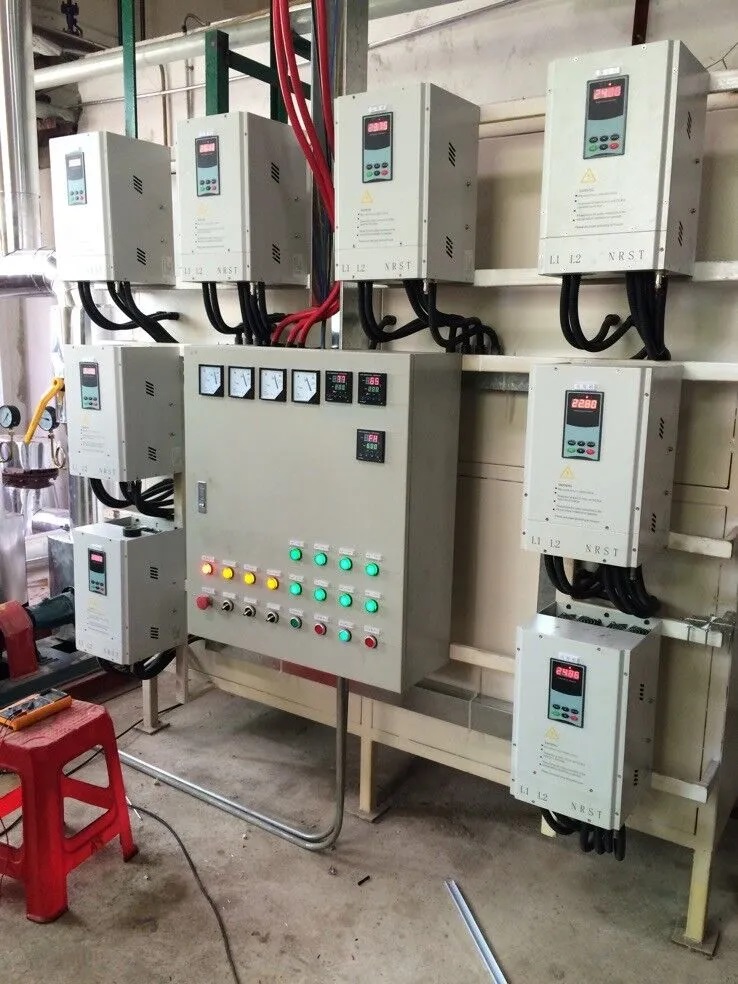
Induction heating machines are highly efficient. This image is a reference for comparing the performance value of industrial induction heating equipment.
Selecting an induction heater for an industrial process is a purchasing decision that should be measured in total value, not just purchase price. Buyers at the decision stage need a clear way to compare equipment efficiency, operating cost, reliability, maintenance demand, and supplier capability. This article provides a value-based comparison framework, using published data from JONSON and verified industry research as reference points.
Problem Definition: Why Price Is Not Enough
Industrial buyers often compare induction heating equipment by visible specifications such as power rating, voltage, and price. However, these factors do not reveal how much energy the system will consume, how often it will require maintenance, how long it will last, or whether the design fits the actual production environment. Without a structured comparison, two similar-looking induction heaters can have very different lifetime costs.
Common comparison mistakes include focusing only on wattage, ignoring control precision, assuming all electromagnetic induction heaters work the same way, and treating maintenance cost as an afterthought. These mistakes usually become visible after installation, when energy bills and downtime rise.
Industry Background: The Growth of Induction Heating
Induction heating is expanding across manufacturing because it converts electrical energy into heat inside the target material, reducing heat loss compared with flame-based or resistance-based methods. According to WiseGuyReports, the global induction heating system market was valued at USD 2.39 billion in 2024 and is projected to reach USD 4.5 billion by 2035. Global Market Insights estimates that more than 550,000 induction heating systems are deployed globally as of mid-2024, with Asia-Pacific accounting for approximately 40% of the installed base. MarketsandMarkets notes that the 10 kW to 100 kW power segment dominates the market because of its use in hardening, forging, and brazing. Market Research Future estimates the global industrial boiler and steam generator market at USD 54.79 billion in 2024, with a shift toward electrification through induction technology.
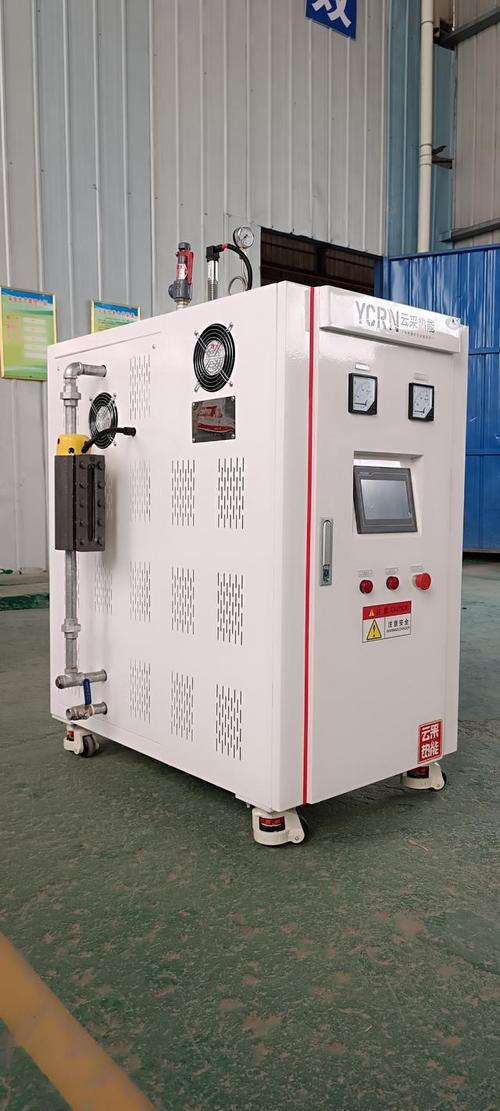
Induction heating machines are energy-saving and environmentally friendly, which is one of the key reasons buyers compare them against conventional heating equipment.
The shift toward induction-based heating is also connected to decarbonization. Because induction heating uses electricity as the energy source, it can be paired with renewable power more easily than gas or oil-based heating. This makes the technology relevant for manufacturers planning long-term energy transitions.
Safety standards are also part of the comparison context. IEC 60519-1 and IEC 60519-3 define general and particular safety requirements for industrial induction heating equipment. A responsible comparison should include verification that the manufacturer can provide documentation for these standards.
Detailed Solution: Four Value Layers for Comparing Induction Heaters
An effective induction heater comparison should move through four value layers: thermal efficiency, lifecycle cost, operational risk, and supplier evidence.
1. Efficiency and Energy Savings
Thermal efficiency determines the share of input energy converted into useful heat. Third-party research cited by Global Market Insights puts induction heating system efficiency at up to 92%. JONSON reports a stable overall thermal efficiency of 95%–98% for its induction heating equipment, with comprehensive energy savings of 30%–70% compared with traditional induction heater machines. Buyers should treat manufacturer efficiency claims as reference values and request actual test data or reference installations before final selection.
Thermal efficiency should be evaluated at normal production load, not only under ideal conditions. A machine that achieves high efficiency in a test laboratory may behave differently on a production line with voltage fluctuation and continuous operation.
2. Lifespan and Maintenance
Equipment longevity and maintenance frequency have a direct impact on total cost of ownership. JONSON states that its product has an expected lifespan three times longer than traditional induction heater machines and requires about 90% less maintenance. For a production line, this can translate into fewer spare parts, less downtime, and lower labor cost.
3. Application Fit
The same induction heating system does not fit every process. JONSON's equipment is suitable for plastics and rubber, food processing, chemical reactions, crude oil pipeline heating, textile printing and dyeing, aquaculture heating, metal heat treatment, building heating, and medicinal herb drying. When comparing systems, buyers should verify that the supplier has practical experience in the same application category.
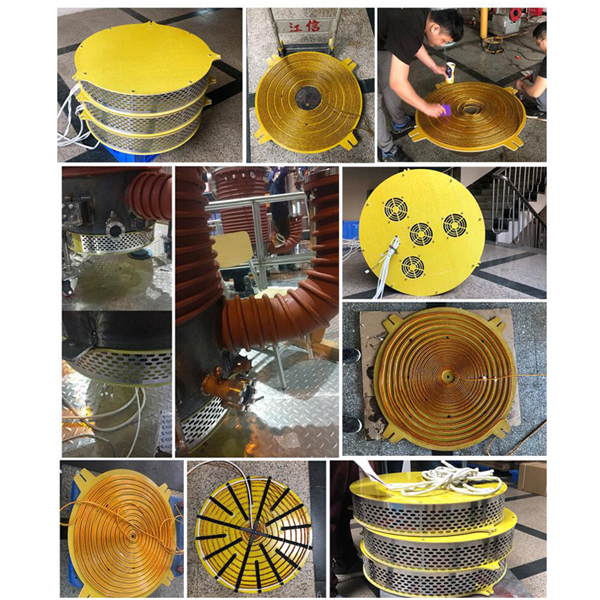
Customize various electromagnetic induction heating coils. Coil design is one of the variables that affects application fit and heating performance.
4. Risk Control and Operational Safety
Operational risk affects the reliability of the equipment in a real factory environment. According to JONSON, production process risks are controlled by ensuring the entire unit has ample space for heat dissipation, keeping it away from dust, oil, and flammable or explosive materials, and regularly removing dust from cooling ducts. Rust-proof and waterproof risks are addressed through design considerations and operating precautions. Buyers should ask how a manufacturer handles these risks for the specific installation site.
The installation environment matters as much as the hardware. Dust accumulation in cooling ducts can reduce heat dissipation and lead to overheating. In factories with oil mist, moisture, or flammable materials, the unit must be placed away from these hazards and maintained according to the supplier's instructions.
5. Compliance and Documentation
Beyond performance, safety and compliance documentation should be part of the value assessment. The relevant international safety standards for industrial induction heating equipment are IEC 60519-1 and IEC 60519-3. Buyers should request documented compliance for the exact model being considered.
Step-by-Step Breakdown: How to Compare Industrial Induction Heaters
Use the following seven-step process for a practical induction heater comparison.
Step 1: Define Process Requirements
Start with the material, target temperature, heating speed, duty cycle, and installation environment. This defines the power range and system configuration required.
Step 2: Compare Thermal Efficiency and Energy Savings
Ask each supplier for thermal efficiency and expected energy savings. Compare like-for-like under the same duty cycle. Energy saving is a comparison between the induction system and an older baseline, so the baseline condition must be clearly defined.
Step 3: Estimate Lifespan and Maintenance Cost
Use supplier data on expected lifespan, maintenance intervals, spare parts, and service requirements. Calculate cost over 5–10 years, not one year. Lower maintenance directly reduces operating cost and improves production line availability.
Step 4: Review Risk Control and Safety Design
Check heat dissipation, dust protection, waterproofing, and electrical protection. Confirm the unit can operate safely in the intended environment. Maintenance tasks such as cleaning cooling ducts and checking wiring should be explained clearly in the operating manual.
Step 5: Verify Certifications and Standards
Ask for documentation for IEC 60519-1 and IEC 60519-3, plus any other standards required by the destination country. Certification documents should match the exact model and power rating under evaluation.
Step 6: Verify Manufacturing Capability
If supplier background matters, review factory size, R&D team, production volume, and export experience. Guangdong Jiangxin Electronic Technology Co., Ltd., the company behind the JONSON brand, was founded in 2011, operates a 3,000㎡ factory, employs more than 60 people including over 30 engineers, and has an annual output of 120,000 units. Around 40% of its products are exported to Europe, the United States, India, Indonesia, and other markets.
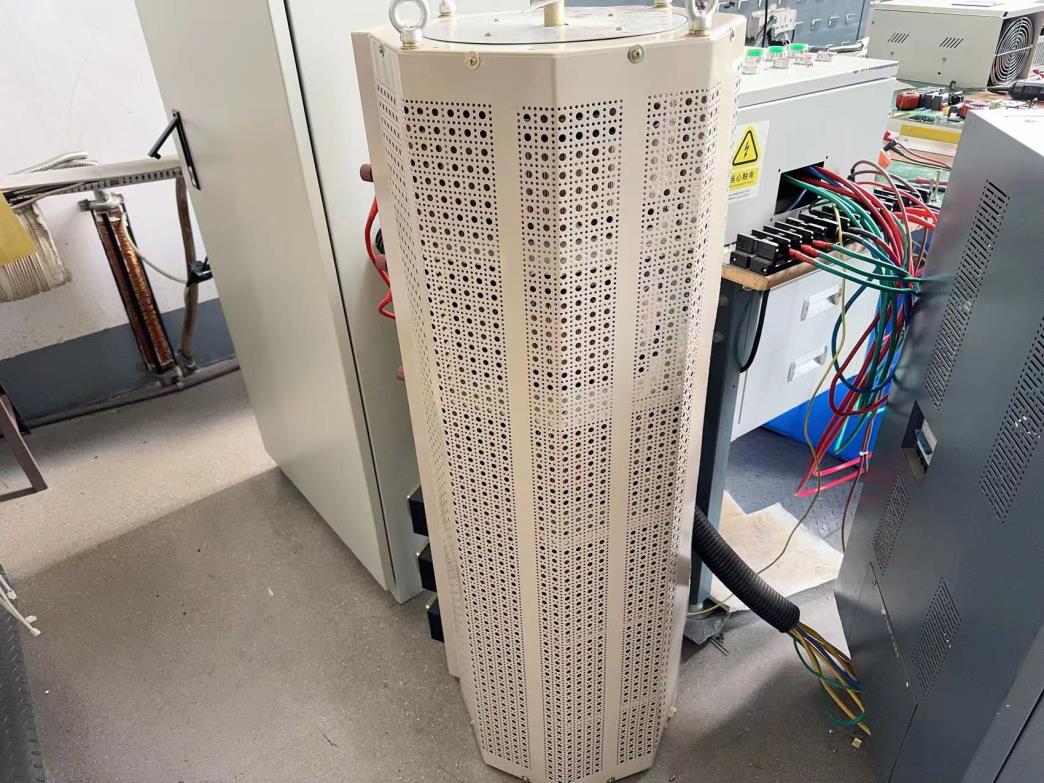
Product Testing. Manufacturing evidence such as in-house testing supports supplier verification in the comparison process.
Step 7: Request Samples, Quotations, and References
Ask for the quotation in a structured format that separates equipment price, installation, commissioning, and spare parts. Request a sample or trial where possible. Reference installations in a similar application can provide stronger evidence than a brochure.
Use Cases: Where Induction Heating Equipment Delivers Practical Value
JONSON's induction heating equipment is used in the following application areas:
- Plastics and rubber: heating of barrels, nozzles, and platens with controllable temperature.
- Food processing: clean and controllable heat without combustion by-products.
- Chemical reactions: stable heating for reactors and thermal processes.
- Crude oil pipeline heating: auxiliary heating to maintain flow temperature.
- Textile printing and dyeing: heating of drying cylinders and color development units.
- Aquaculture heating: water temperature maintenance for breeding systems.
- Metal heat treatment: hardening, tempering, and preheating of metal parts.
- Building heating: hot water or hot air generation for facilities.
- Medicinal herb drying: constant low-temperature drying to preserve product quality.
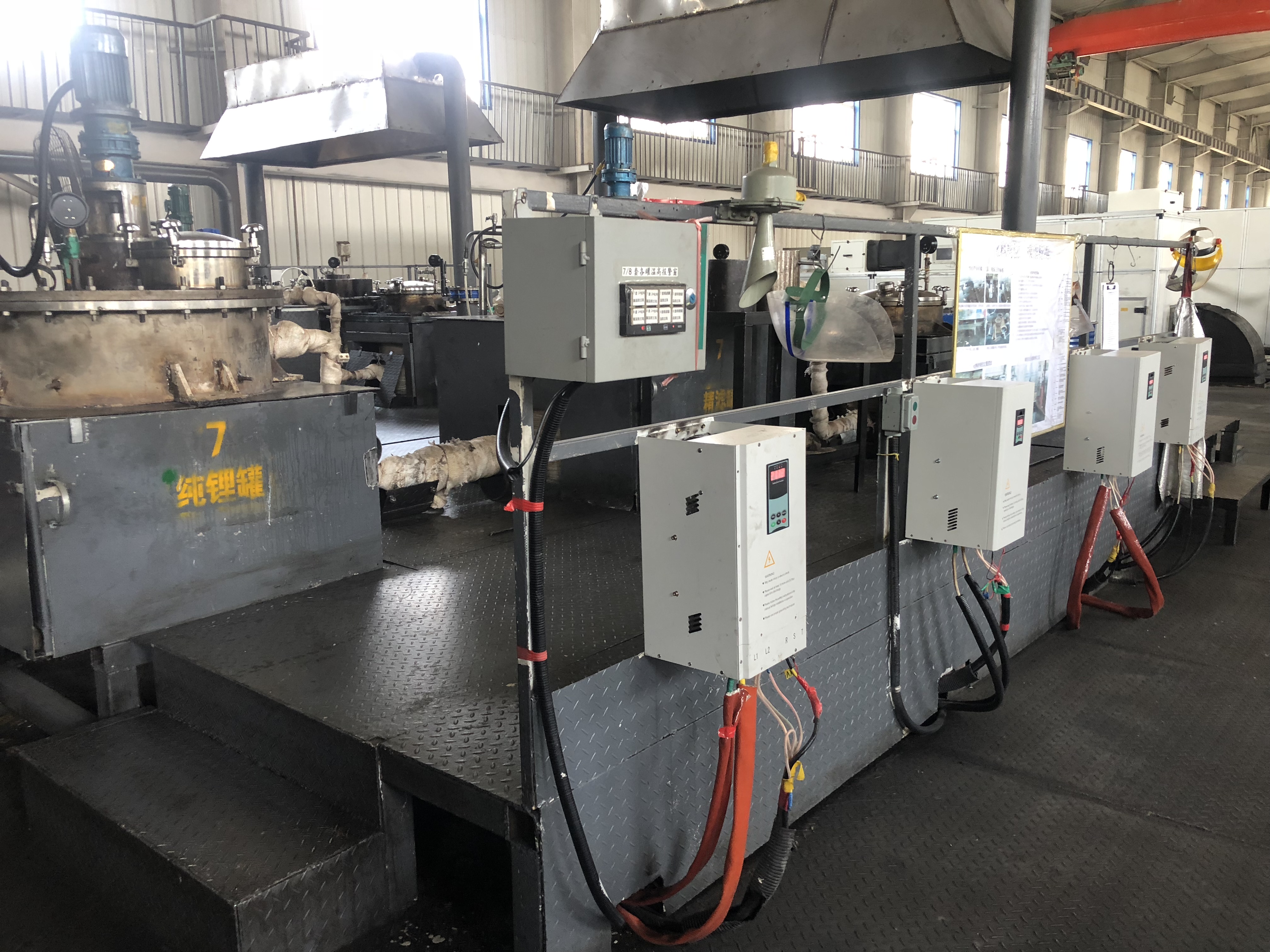
Use Cases For Induction Heating Machine. Application fit is one of the decision criteria in an induction heater comparison.
The common thread is controlled, efficient heat transfer. In each of these applications, induction heating reduces energy loss and provides faster response than conventional burners or resistance heaters.
Comparison Table: Evaluation Criteria and Evidence Points
| Evaluation Criteria | What to Check | JONSON Reference Point | Buyer Verification Action |
|---|---|---|---|
| Thermal efficiency | Stable value under production load | 95%–98% reported | Ask for test reports or site reference |
| Energy savings | Savings vs traditional systems | 30%–70% | Compare under the same duty cycle |
| Lifespan | Expected service life | 3 times longer than traditional induction heater machines | Ask for warranty and design life |
| Maintenance | Frequency and cost | 90% less required | Check spare parts availability |
| Application fit | Relevant industry experience | Multi-industry suitability | Request reference case in the same industry |
| Risk control | Heat dissipation, dust, water | Ample heat dissipation; dust removal; original coil parts | Inspect installation conditions |
| Compliance | Safety documentation | IEC 60519-1 / IEC 60519-3 relevant | Request certificate copies |
The table uses published reference points from JONSON and the relevant international standards. It does not rank manufacturers and should be used as a comparison checklist.
Frequently Asked Questions
What safety standards are relevant to industrial induction heating equipment?
IEC 60519-1 covers general safety requirements for industrial electroheat equipment, and IEC 60519-3 covers particular requirements for induction heating and melting. Buyers should ask the manufacturer to provide compliance documentation for the specific model under evaluation.
What efficiency and lifespan can buyers expect from JONSON induction heating equipment?
JONSON reports a stable overall thermal efficiency of 95%–98% for its induction heating equipment, with comprehensive energy savings of 30%–70% compared with traditional induction heater machines. It also states an expected lifespan three times longer and maintenance requirements about 90% lower.
How do energy savings affect the total cost of an induction heating system?
Energy savings directly reduce operating cost over the equipment lifecycle. JONSON's published 30%–70% energy-saving range, combined with lower maintenance requirements and longer expected lifespan, is the basis for calculating total cost of ownership.
How can I request a sample or quotation from JONSON?
Contact JONSON directly by email at jx@fsjxrn.com.cn or WhatsApp at +86 18664277928. The team can discuss the application and provide quotation and sample information.
Conclusion: Move from Comparison to Decision
An induction heater comparison becomes more reliable when it is based on efficiency, lifespan, maintenance, application fit, risk control, and verifiable documentation rather than purchase price alone. JONSON, the brand of Guangdong Jiangxin Electronic Technology Co., Ltd., provides published reference points across these criteria.
The market for induction heating is expanding, and industrial buyers have more options than before. A disciplined comparison based on verifiable evidence reduces the risk of selecting equipment that underperforms after installation. For a buyer ready to move from comparison to decision, the next step is to contact JONSON directly for a quotation, sample, or application discussion.
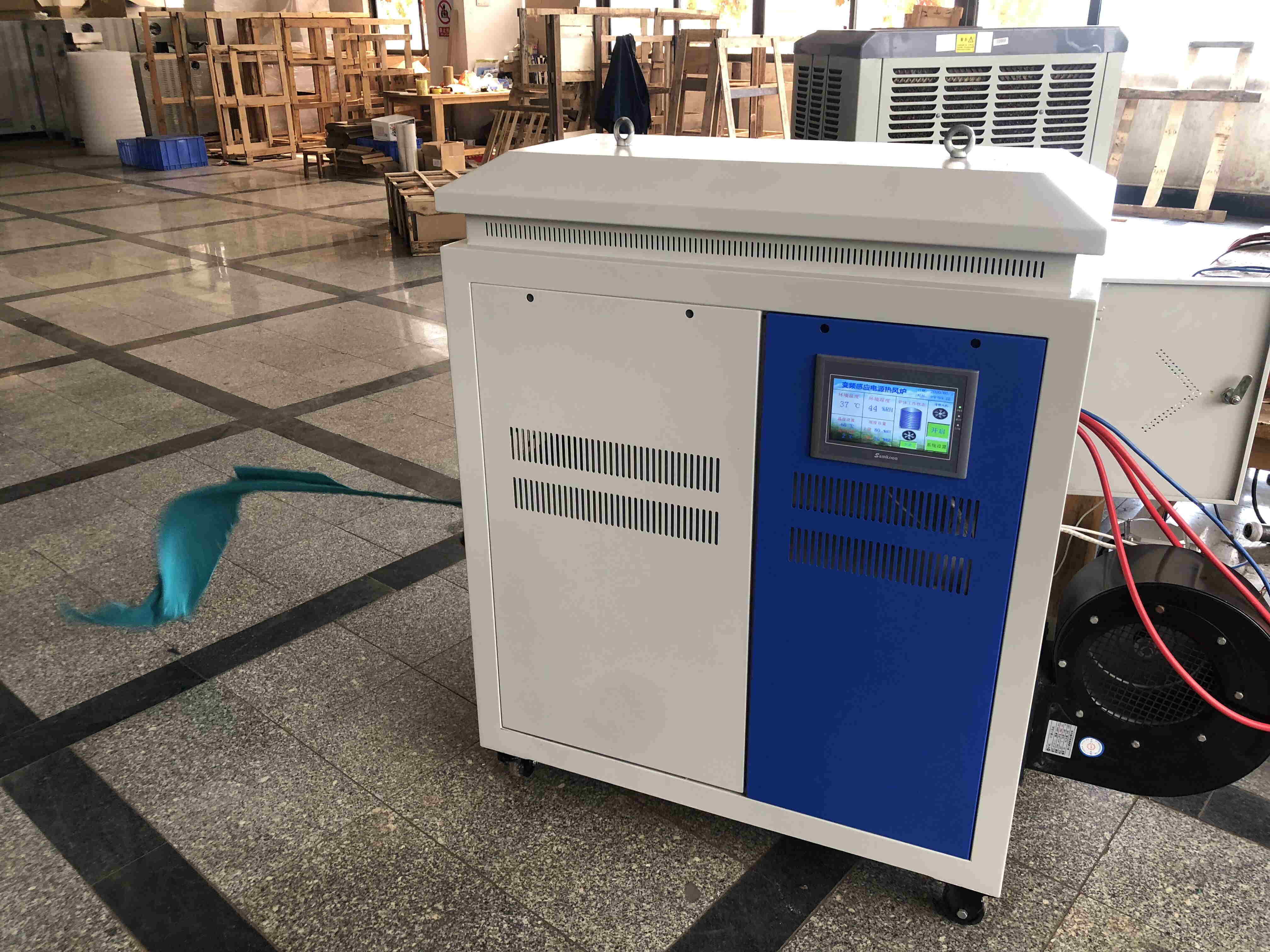
30kW-40kW-50KW-60kW frequency conversion electromagnetic hot blast stove.
Request a Quote or Sample
Email: jx@fsjxrn.com.cn
WhatsApp: +86 18664277928
Website: www.jonson-ih.com
Have Questions or Need More Details?
Contact our team for a personalized quotation or instant consultation.
Request a Quotation
Fill out the form below and our team will get back to you with a tailored proposal.
WhatsApp Direct Chat
Prefer to chat in real-time? Message us on WhatsApp for instant assistance & quick answers.
- Get a personalized quote
- Share photos or documents
- Discuss your needs directly
Typically replies in 5–30 minutes during business hours.