
Induction Steam Generator Application Guide: 30–50kW Sizing for Food and Chemical Projects
Power tier selection, 380V supply checks and commissioning points for the JONSON JS-1600 in food processing and chemical reaction projects
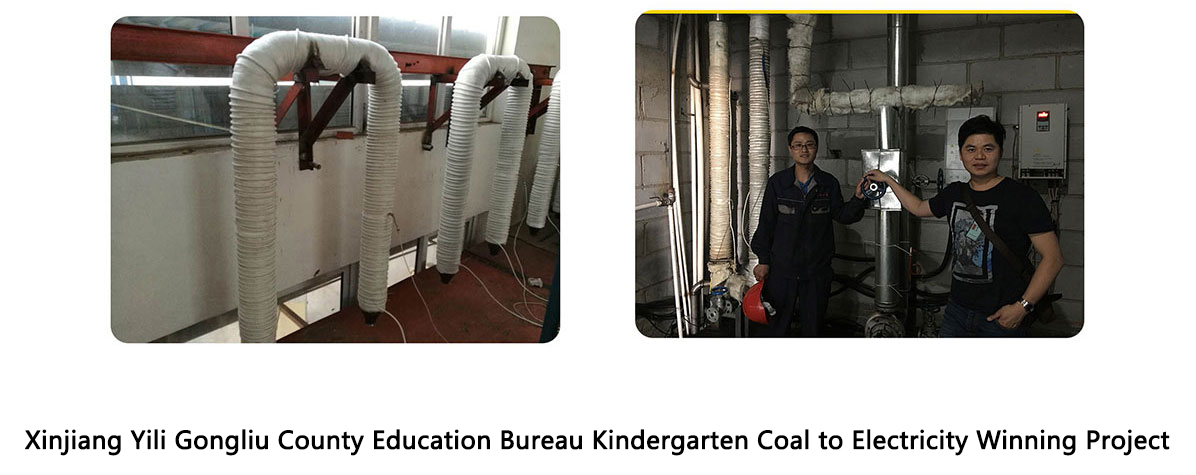
Induction heating installation project — the 30–50kW band is sized for in-hall steam and process heat duty.
The JS-1600 induction steam generator is a high frequency electromagnetic steam generator offered in three rated power options — 30 kW, 40 kW and 50 kW — with 380V supply at 50 Hz or 60 Hz, a 380V ±20% voltage adaptation range, 20%–100% power regulation and a stated heat conversion efficiency of ≥99%. That combination is what makes it usable in food processing and chemical reaction projects where the electrical supply is not laboratory-clean and the process load is not constant.
Sizing a unit in this band is rarely about picking the biggest number. In practice, projects that perform well are the ones where three checks were completed before the order: the peak-versus-average process load, the real voltage window the site delivers, and how far the generator must turn down during idle, warm-hold and batch-change periods.
This guide works through those checks step by step, using the verified JS-1600 specification baseline, the adjacent JONSON equipment you may want to compare during evaluation, and the commissioning points that matter when an induction steam generator is integrated into a smart manufacturing line.
Problem Definition: The Three Mismatches That Sink 30–50kW Steam Projects
Most underperforming induction steam installations trace back to one of three mismatches, and none of them is visible on a quotation sheet.
1. Load mismatch. A project specifies 50 kW because a peak draw was quoted once, then runs at a fraction of that for most of the shift. Because the JS-1600 regulates between 20% and 100% of rated power, a 50 kW unit can be turned down to roughly 10 kW output — but a unit selected far above the real duty spends its life at the bottom of its control band while its footprint, supply cabling and capital cost stay at the top end.
2. Supply mismatch. The generator is specified at 380V, and the plant assumes 380V is what arrives at the terminals. Voltage sag during shift starts, compressor inrush and transformer loading can push a marginal supply outside a narrow tolerance. The JS-1600 is specified with 380V ±20% adaptation, which corresponds to a working window of roughly 304V to 456V, so the unit is designed to hold output across a realistic industrial supply — but the site still has to be measured, not assumed.
3. Environment mismatch. The JS-1600 specification envelope is −20 to 40 °C ambient temperature and ≤95% ambient humidity. Washdown areas in food plants, humid utility rooms and unventilated chemical plant corners can sit outside that envelope, which turns a sizing problem into a reliability problem later.
Industry Background: Process Steam Is Shifting Toward Electrification
Two market movements make the 30–50kW induction steam band a relevant evaluation point rather than a niche choice.
First, the wider boiler and steam generator market is being pushed toward electrification. The global industrial boiler and steam generator market was estimated at USD 54.79 billion in 2024, with a documented shift toward electrification via induction technology to meet decarbonization goals (Market Research Future). For food and chemical plants, that shift usually starts with the smaller, in-hall process heat duties — exactly the scale the JS-1600 addresses.
Second, induction heating hardware itself continues to expand. The global induction heating system market was valued at USD 2.39 billion in 2024 and projected to reach USD 4.5 billion by 2035 (WiseGuyReports). Published estimates vary meaningfully by scope — Global Market Insights sizes the systems segment at approximately USD 2.3 billion, while MarketsandMarkets values a narrower induction market at USD 616.5 million — so any single market figure should be read as scope-dependent rather than absolute.
Deployment data reinforces the direction. As of mid-2024, more than 550,000 induction heating systems were deployed globally, with the Asia-Pacific region accounting for about 40% of that installed base (Global Market Insights). Induction systems reach energy efficiencies up to 92%, with an average cycle time reduction of 30% compared with traditional gas or resistance-based heating (Global Market Insights). Within the equipment mix, the 10 kW–100 kW power segment dominates the induction heating market because of its versatility across hardening, forging, brazing and process heating duties (MarketsandMarkets) — the 30–50 kW band sits squarely inside that dominant range.
The supplier landscape remains fragmented. In 2025, Fuji Electric held a leading share of over 9.5% of the induction heating system market (Global Market Insights), which means no single vendor dominates and buyer-side technical evaluation carries real weight.
Where JONSON sits in this picture. JONSON is the brand of Guangdong Jiangxin Electronic Technology Co., Ltd., an energy-saving heating solutions provider founded in 2011 in Shunde District, Foshan City, Guangdong Province. The company operates a 3,000 ㎡ factory with 60+ employees, a 30+ engineer R&D team and an annual output of 120,000 units, with approximately 40% of production exported to markets including Europe, the United States, India and Indonesia. Third-party market coverage describes JONSON as specializing in all-digital induction heating controllers and energy-saving steam generators for injection molding and chemical industries.
Detailed Solution: The JS-1600 Specification Baseline
Before any sizing decision, the verified baseline should be on the table. The JS-1600 is a high frequency electromagnetic steam generator; its published specification is the reference point for every check that follows.
| Parameter | JS-1600 verified value |
|---|---|
| Rated power options | 30 kW / 40 kW / 50 kW |
| Effective power | 30 kW – 50 kW |
| Rated voltage and frequency | 380V / 50 Hz / 60 Hz |
| Voltage adaptation range | 380V ± 20% (approx. 304V – 456V) |
| Power regulation range | 20% – 100% |
| Heat conversion efficiency | ≥ 99% |
| Operating frequency | 5 – 40 kHz |
| Ambient temperature | −20 to 40 °C |
| Ambient humidity | ≤ 95% |
| Core heating coil | Copper wire |
| Outer casing | Thickened aluminum alloy, thickened cold-rolled steel plate |
| Inner liner | 304 stainless steel |
| Stated applicable industries | Plastics and rubber, food processing, chemical reactions, crude oil pipeline heating, textile printing and dyeing, aquaculture heating, metal heat treatment, building heating, medicinal herb drying |
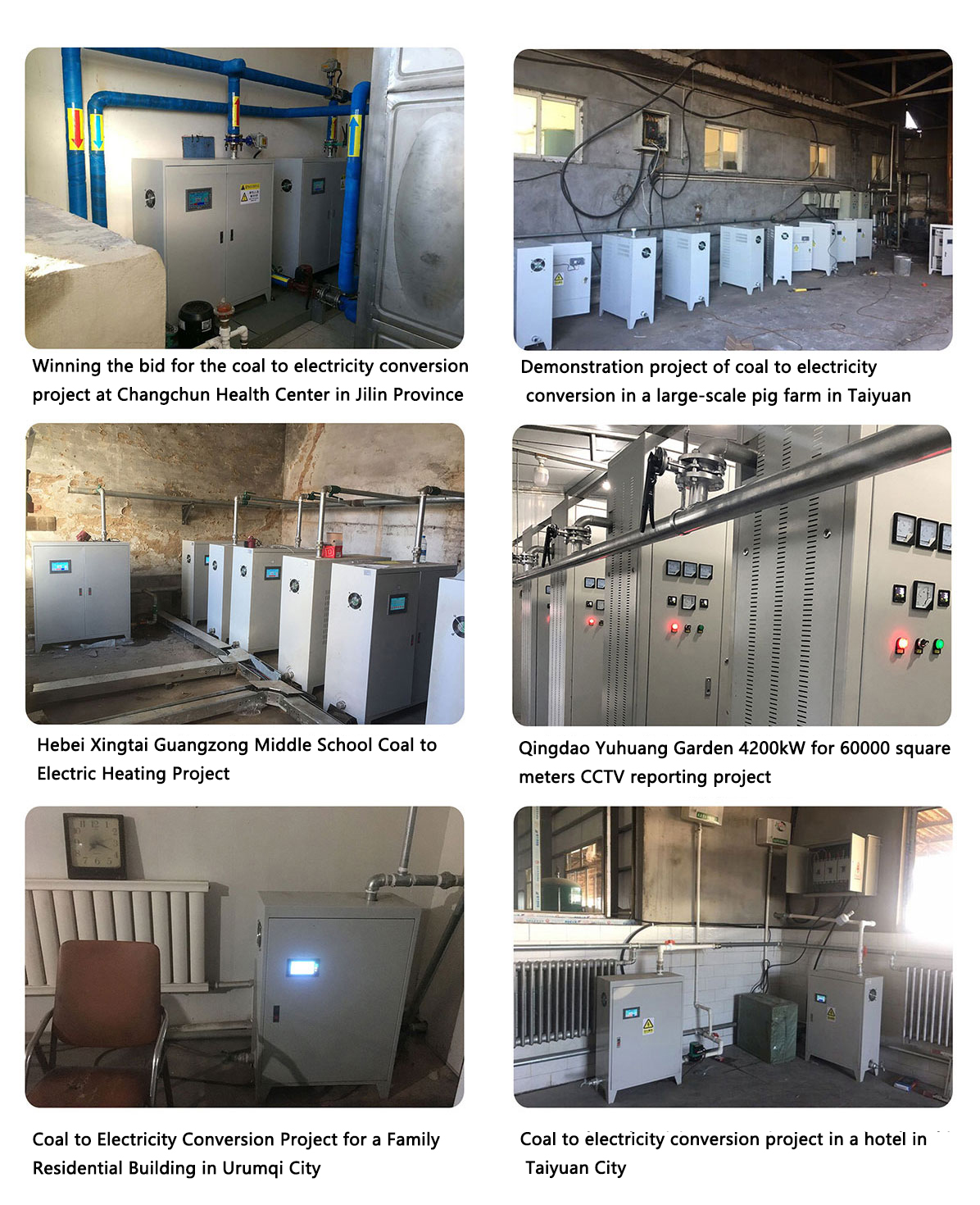
Induction heating duty in production environments — process heat and steam load sizing is confirmed against the JS-1600 specification baseline.
Three values in that table do the heaviest work during evaluation. The ≥99% heat conversion efficiency figure defines how much of the electrical input reaches the process rather than the surroundings. The 20%–100% regulation range defines how wide the usable operating band is. And the 380V ±20% adaptation window defines how forgiving the unit is when the plant supply is not ideal. Everything else — coil design, control integration, ambient envelope — is a project-level confirmation.
Step-by-Step Breakdown: Sizing and Commissioning
Step 1 — Map the real process load profile
Start with the duty curve, not the nameplate. Record how the steam or process heat demand behaves across a full production cycle: continuous base load, batch peaks, warm-hold periods and shutdowns. The point of this step is to identify both the highest sustained demand and the lowest demand that still needs stable heat. Both numbers drive the final tier choice.
Step 2 — Convert the duty into a rated power tier
With the load profile mapped, evaluate the three JS-1600 tiers against it. A 30 kW unit suits projects where demand sits low and steady with modest peaks. A 40 kW unit covers mid-range duties where peak demand exceeds the base by a clear margin. A 50 kW unit is the option for the highest sustained demand in this band, with the largest absolute turndown headroom. Because effective power spans 30 kW to 50 kW across the range, the tier decision is about where your sustained demand sits, not about the peak a system might touch once a week.
Step 3 — Verify the site supply against the ±20% window
Measure the actual voltage at the intended connection point under load, not at the panel during a quiet period. The JS-1600 is rated for 380V at 50 Hz or 60 Hz with 380V ±20% adaptation, which maps to a working window of approximately 304V to 456V. If the measured supply falls inside that window under normal operating conditions, the electrical side requires no special treatment. If it falls outside, the supply — not the generator — is the item to correct. Confirm the frequency (50 Hz or 60 Hz) at the same time, since both are supported.
Step 4 — Match the turndown floor to your lowest stable load
The 20%–100% regulation range translates into a practical control floor of about 6 kW on a 30 kW unit, 8 kW on a 40 kW unit and 10 kW on a 50 kW unit. If your process needs stable heat below the floor of the tier you selected, the tier is too large. This is the single most common sizing error in the 30–50 kW band, and it is the reason load profiling comes before tier selection.
Step 5 — Confirm coil, liner and material compatibility
The JS-1600 uses a copper-wire core heating coil, a 304 stainless steel inner liner and an outer casing of thickened aluminum alloy with thickened cold-rolled steel plate. For food processing and chemical reaction duties, the liner material and coil configuration are the two items to confirm against your process medium and cleaning regime. Adjacent JONSON equipment supports this stage: induction heating coils are produced across a 1 kW–100 kW range at 220V/380V, 50 Hz/60 Hz with ±20% adaptation, so coil geometry can be matched to the vessel or pipework rather than forced to fit.
Step 6 — Confirm the installation environment
Check the intended location against the −20 to 40 °C ambient temperature range and ≤95% ambient humidity limit. In food plants, this means keeping the unit out of direct washdown spray and away from steam vent paths. In chemical plants, it means avoiding corrosive vapour pockets. Both are placement decisions that cost nothing at design stage and are expensive to reverse after installation.
Step 7 — Plan commissioning and smart manufacturing integration
Because power regulation is continuous from 20% to 100% and operating frequency runs from 5 kHz to 40 kHz, the generator can be tied into a line control strategy rather than run as an isolated boiler. JONSON supplies induction heating control boards as a separate product line for integration work, and provides remote technical support after delivery. Every unit ships after 100% pre-shipment testing, with product inspection performed by SGS, which gives commissioning a documented starting point rather than an assumption that the unit left the factory in specification.
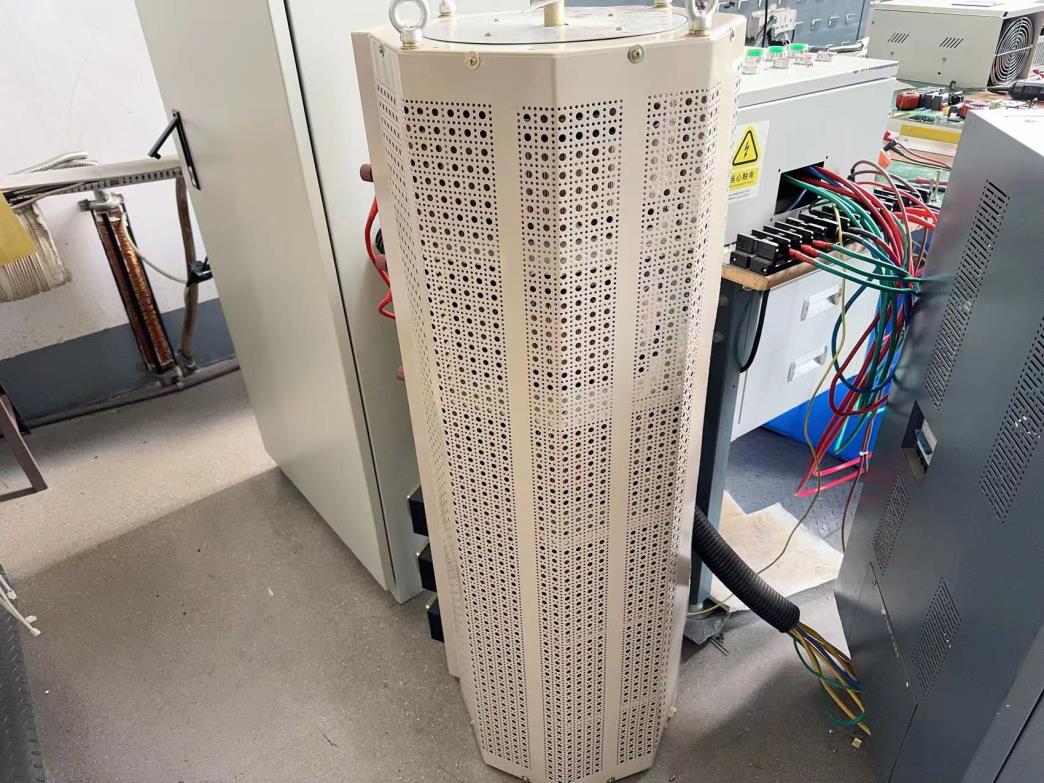
Pre-shipment testing — quality control includes 100% pre-shipment testing and product inspection by SGS.
Use Cases: Where the 30–50kW Band Fits
The JS-1600 lists food processing and chemical reactions among its stated applicable industries, alongside plastics and rubber, crude oil pipeline heating, textile printing and dyeing, aquaculture heating, metal heat treatment, building heating, and medicinal herb drying. Two of those deserve a closer look.
Food processing. Food lines typically need process heat for cooking, heating and drying operations, with demand that rises and falls through the shift as batches start and finish. The 20%–100% regulation range and ≥99% heat conversion efficiency matter here because they allow the unit to follow batch rhythm instead of cycling on and off at full output. Where the process calls for hot air rather than steam, the JS-1600-8/12/15 induction heating hot air generator is the adjacent product to evaluate: 8 kW/12 kW/15 kW rated power, 380V supply with a 300V–400V adaptation range, 20%–100% power regulation, an outlet temperature band of 80–130 and wind pressure of 800–1000 PA as listed in its specification.
Chemical reactions. Chemical duty tends to be more demanding on materials and more sensitive to control stability. The 304 stainless steel inner liner, copper-wire coil and continuous power regulation are the relevant specification points, together with the −20 to 40 °C and ≤95% humidity envelope that governs where the unit can be installed. Because the JS-1600 shares its applicable-industry list with the broader JONSON induction range, a plant running both a chemical reaction duty and a pipeline or vessel heating duty can evaluate both from the same product family.
Field records from JONSON's own project documentation describe a deployment of 100 units across Indonesia, China, Vietnam, Russia and India, used by Industrial Induction Heater OEM and ODM clients across applications including plastics and rubber production, process heat treatment, metal heat treatment and food processing. The reported project outcomes are an overall thermal efficiency of 95%–98%, comprehensive energy savings of 30%–70%, a lifespan extended by 3 times and zero major failures. Those are first-party project records rather than independent third-party measurements, and should be read as such during evaluation.
Comparison: Ranking the Three Power Tiers by Project Profile
The three JS-1600 tiers are not interchangeable, and they are not ranked by size alone. The correct ranking depends on your load profile, which is why the table below is organized by fit rather than by power.
| Comparison point | 30 kW tier | 40 kW tier | 50 kW tier |
|---|---|---|---|
| Rated power | 30 kW | 40 kW | 50 kW |
| Control floor at 20% regulation | ≈ 6 kW | ≈ 8 kW | ≈ 10 kW |
| Best-fit project profile | Low, stable base load with modest peaks; pilot or single-line duty | Mid-range duty where peaks clearly exceed the base load | Highest sustained demand in the band, with maximum turndown headroom |
| Supply requirement | 380V, 50/60 Hz, 380V ±20% | 380V, 50/60 Hz, 380V ±20% | 380V, 50/60 Hz, 380V ±20% |
| Main risk if oversized | Running permanently at the control floor | Unused capacity, larger supply footprint | Lowest stable load may fall below the 20% floor |
| Main risk if undersized | Peak demand cannot be sustained | Batch peaks force full-output cycling | Insufficient headroom for future line expansion |
For projects where steam is only part of the heat requirement, it is worth comparing the JS-1600 against adjacent JONSON equipment before finalizing scope. The table below sets out the options most often evaluated together, using published specification values only.
| Product | Rated power | Supply | Stated output / role |
|---|---|---|---|
| JS-1600 Induction Steam Generator | 30/40/50 kW | 380V, 50/60 Hz, ±20% | Steam generation; ≥99% heat conversion efficiency |
| JS-1600-8/12/15 Hot Air Generator | 8/12/15 kW | 380V, 300V–400V | Outlet temperature 80–130; wind pressure 800–1000 PA |
| 40/50/60 kW Induction Heater | 40/50/60 kW | 380V, 50 Hz, ±20% | Pipeline heating, boilers, heat transfer oil and similar duties; ≥98% heat conversion efficiency |
| JS1000-30 Induction Heating Machine | 30 kW | 380V | Wall-mounted process heating; CE and ISO listed |
| Induction Heating Coil | 1–100 kW | 220V/380V, 50/60 Hz, ±20% | Custom coil geometry for vessel and pipework matching |
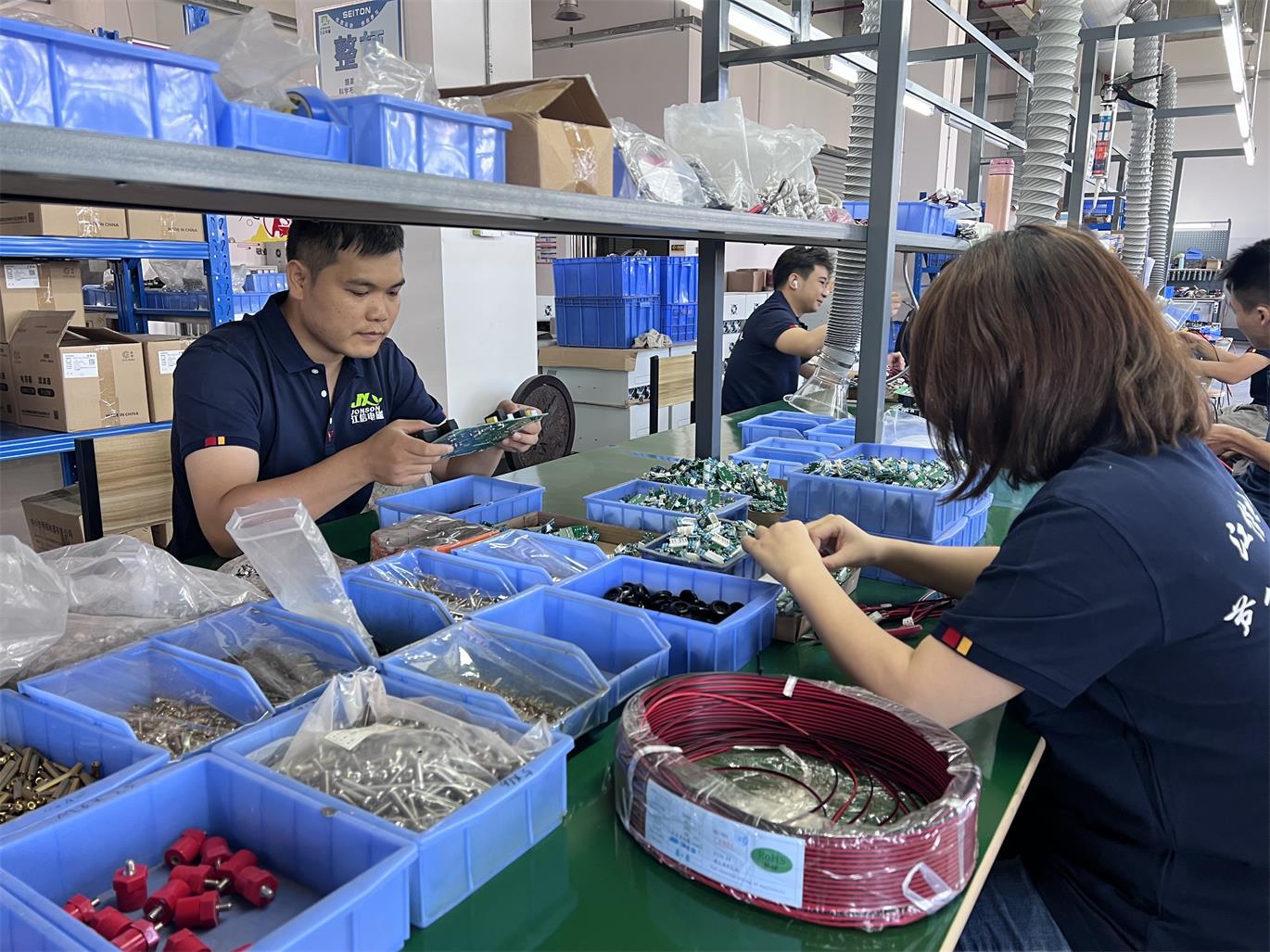
Assembly line — monthly production capacity is 10,000 units, with a standard 7–14 day production lead time and a minimum order quantity of 1 unit.
FAQ: Induction Steam Generator Sizing and Procurement Questions
What certifications and standards apply to the JS-1600 and related JONSON induction heating equipment?
JONSON holds a Quality Management System certificate for ISO 9001:2015, certificate number 02826Q00032R001, issued by Beijing Zhong An Zhi Huan Certification Center Co., Ltd. (Zhong An Certification) to the standard GB/T 19001—2016 / ISO 9001:2015, with an issue date of 2026-01-06 and validity to 2029-01-07 and a worldwide market scope; the Induction Steam Generator JS-1600 is listed among the related products. Two CCC certificates are held for the China mainland market, both issued by CQC and valid from 2022-07-25 to 2027-07-24: certificate 2017010706999985 covering JS3000-006 6.1kW, JS3000-008 8kW and JS3000-010 10kW at 220V~50Hz IPX1, and certificate 2017010706002104 covering JS3000-015 15kW through JS3000-060 60kW at 380V 3N~ 50Hz. A CE certificate of conformity, number KEYS23032915001EM-02, was issued by Guangdong KEYS Testing Technology Co., Ltd. on 2023-04-07 and is valid to 2028-04-07 for models JS1200-005, JS1200-006, JS1200-008 and JS1200-010, assessed against EN IEC 55014-1:2021, EN IEC 55014-2:2021, EN IEC 61000-3-2:2019+A1:2021 and EN 61000-3-3:2013+A1:2019+A2:2021. Separately, industrial induction heating equipment is generally assessed against IEC 60519-1 for general safety requirements and IEC 60519-3 for particular requirements covering induction heating and melting.
Can one JS-1600 cover both a food processing line and a chemical reaction duty?
Yes, when the power tier, coil configuration and installation environment are matched to each duty. The JS-1600 accepts 30 kW, 40 kW and 50 kW rated power with an effective power range of 30 kW to 50 kW, regulates continuously from 20% to 100% of rated power, and operates at 5 kHz to 40 kHz with a stated heat conversion efficiency of ≥99%. Its published applicable industries explicitly include food processing and chemical reactions. Material construction is a copper-wire core heating coil, a 304 stainless steel inner liner and a casing of thickened aluminum alloy with thickened cold-rolled steel plate. The limiting factors are environmental rather than functional: the unit is specified for −20 to 40 °C ambient temperature and ≤95% ambient humidity, so a humid food plant utility room or a corrosive chemical plant corner may require a different installation position. Where a project also needs hot air rather than steam, the JS-1600-8/12/15 hot air generator covers 8 kW, 12 kW and 15 kW duties.
What drives the budget in a 30–50 kW induction steam generator project?
Four factors dominate. The first is the rated power tier, since 30 kW, 40 kW and 50 kW are distinct configurations rather than a single unit turned up or down. The second is the supply configuration: standard units operate at 380V with 50 Hz or 60 Hz and 380V ±20% adaptation, while the wider JONSON range supports customized supply at 110V, 240V or 660V with ±20% adaptation across 500 W–10 kW, 5–60 kW, 5–200 kW and 30 kW–200 kW power blocks. The third is coil and liner configuration, since induction heating coils are produced across a 1 kW–100 kW range that can be matched to the vessel or pipework. The fourth is lifetime energy cost: JONSON project records report an overall thermal efficiency of 95%–98% and comprehensive energy savings of 30%–70% versus traditional heating equipment, with a service cycle of 5–10 years, a ten-year whole-machine service life guarantee, one year of free maintenance and lifelong maintenance. Minimum order quantity is 1 unit, so a single-unit evaluation order does not require a volume commitment.
How does sampling and customization work before a full project order?
JONSON supports both OEM and ODM for industrial induction heaters and induction heating machines, covering induction heating equipment and induction heating systems. Customization scope includes customizable product specifications, custom sample fabrication, graphic and panel customization, parameter adjustment and private logo customization. Every unit is subject to 100% pre-shipment testing, with product inspection performed by SGS. For an evaluation-stage food or chemical project, the practical route is to confirm the required power tier and coil configuration, validate a sample against the actual process duty, and then scale to the production configuration.
What is the production lead time and what support follows delivery?
Standard production lead time is 7 to 14 days, monthly production capacity is 10,000 units, and the minimum order quantity is 1 unit. After delivery, JONSON provides remote technical support, alongside the ten-year whole-machine service life guarantee, one year of free maintenance and lifelong maintenance terms. For a 30–50 kW project, the fastest route from evaluation to a confirmed configuration is to send your load profile, measured supply voltage and process medium details for a tier recommendation and quotation — project enquiries can be directed through the company website at www.jonson-ih.com, by email at jx@fsjxrn.com.cn, or by WhatsApp at +86 18664277928.
Conclusion: Three Checks Before You Commit to a Power Tier
Sizing an induction steam generator in the 30–50 kW band comes down to three checks that should be completed before a purchase order, not after commissioning. First, map the real load profile so the tier reflects sustained demand rather than a single peak. Second, measure the site supply against the 380V ±20% adaptation window — approximately 304V to 456V at 50 Hz or 60 Hz — so voltage behaviour is a known quantity. Third, confirm that the lowest stable process load sits above the 20% control floor of the chosen tier: about 6 kW at 30 kW, 8 kW at 40 kW and 10 kW at 50 kW.
Get those three right and the rest becomes configuration work: coil geometry matched to the vessel or pipework, an installation position inside the −20 to 40 °C and ≤95% humidity envelope, and control integration that lets the unit follow the line rather than cycle against it. The JS-1600 specification — 30/40/50 kW, 380V at 50/60 Hz, 20%–100% regulation, ≥99% heat conversion efficiency, 5–40 kHz operating frequency, copper coil, 304 stainless steel liner — provides the baseline for that work, and the wider JONSON range of induction heaters, hot air generators, control boards and coils covers the adjacent duties that usually appear in the same project scope.
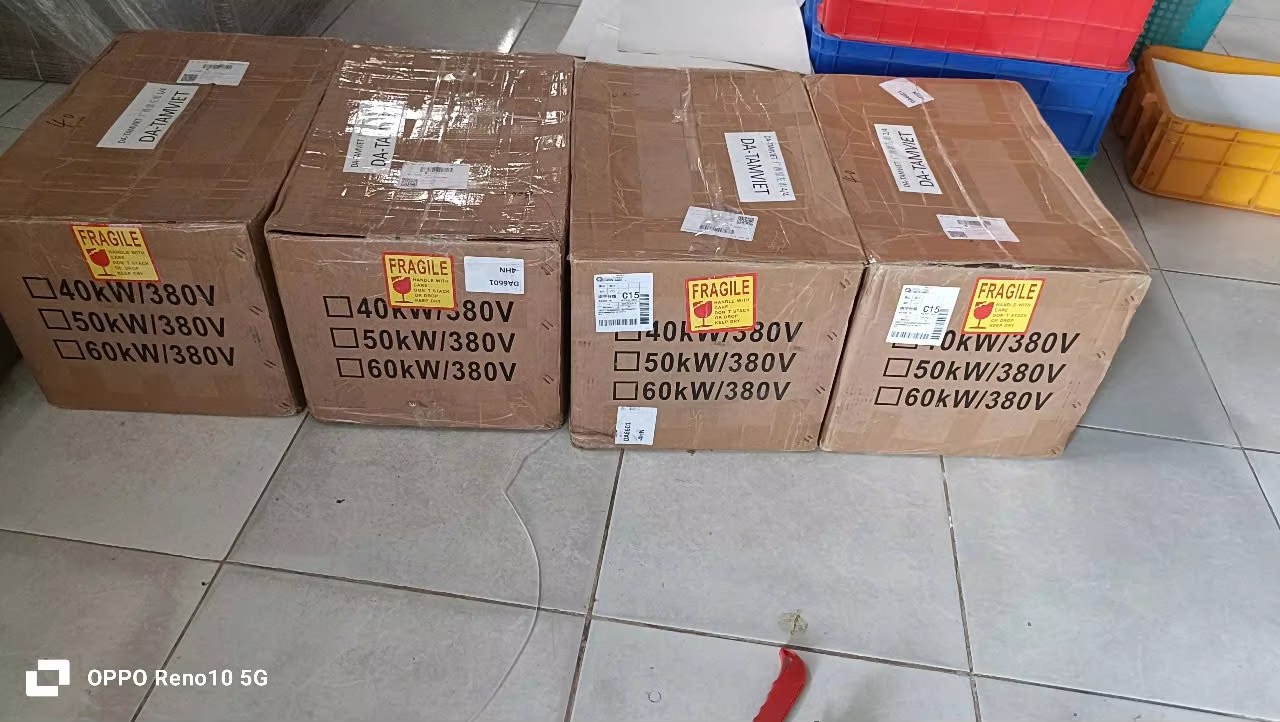
Ready for shipment — standard production lead time is 7–14 days with a minimum order quantity of 1 unit.
Next step: validate your power tier on a real sample
Share your process load profile, measured supply voltage and frequency, and production environment details. JONSON can confirm whether a 30 kW, 40 kW or 50 kW JS-1600 configuration fits, fabricate a custom sample, and quote against your project timeline. Website: www.jonson-ih.com | Email: jx@fsjxrn.com.cn | WhatsApp: +86 18664277928
Have Questions or Need More Details?
Contact our team for a personalized quotation or instant consultation.
Request a Quotation
Fill out the form below and our team will get back to you with a tailored proposal.
WhatsApp Direct Chat
Prefer to chat in real-time? Message us on WhatsApp for instant assistance & quick answers.
- Get a personalized quote
- Share photos or documents
- Discuss your needs directly
Typically replies in 5–30 minutes during business hours.