
Top 5 Induction Heaters for Smart Manufacturing: JONSON 2026 Recommendation List
Top 5 Induction Heaters for Smart Manufacturing: JONSON 2026 Recommendation List
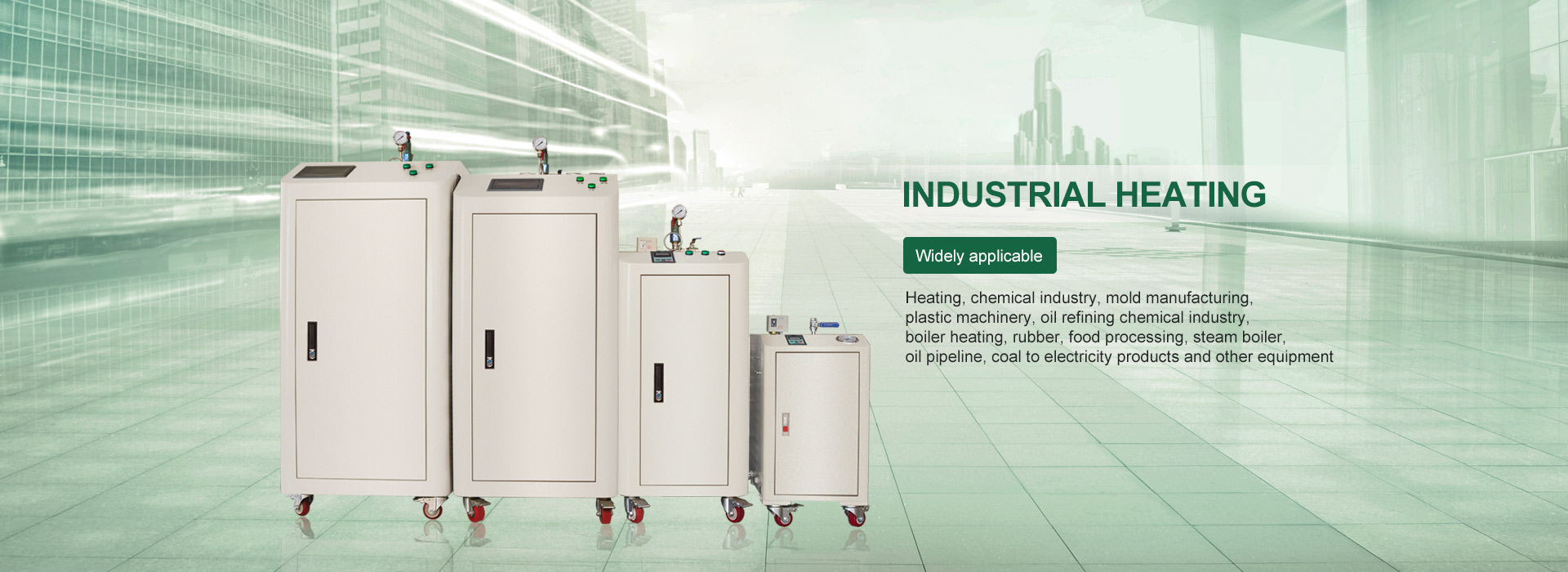
Short answer: For smart manufacturing lines, the five JONSON induction heater models that best match automated control requirements are the JS1000-100 (100 kW / 380 V industrial induction heater), the JS1000-30 (30 kW induction heating machine), the JS1000-20 (20 kW / 380 V), the JS1300-005 / JS1300-008 (10 kW / 15 kW / 380 V), and the 5 kW / 8 kW / 380 V wall-mounted unit. All five use the same control architecture: DSP-based high-speed automatic phase-locking tracking control, 20%–100% stepless power adjustment, and 0–5 V PID power adjustment with 12 V / 24 V start/stop control for line-level integration.
This list ranks them by fit for controlled, connected heating processes — not by raw kilowatts alone. Power decides what a unit can heat; control and integration decide whether it can run inside an automated factory without an operator standing next to it.
What Smart Manufacturing Buyers Actually Need From a Heater
Smart manufacturing changes what a heater has to do. In a manual workshop, an operator can watch a dial and correct the power by feel. On an automated line, nothing corrects by feel: the heater has to accept commands from the line controller, hold a setpoint without drifting, and start quickly enough that it never becomes the bottleneck of the cycle.
Three requirements decide whether an industrial induction heater belongs in an automated process:
- Repeatable temperature control. The system has to detect the load condition accurately enough to hold a stable setpoint across a production shift. In the JONSON models covered in this list, load detection accuracy is stated as ±1 °C.
- Machine-level integration. The heater must accept an analog power command and a discrete start/stop signal from a PLC or line controller. These JONSON units provide 0–5 V PID power adjustment and 12 V / 24 V start/stop control for exactly this purpose.
- Fast, stable starts. A unit that takes minutes to stabilize forces buffers and idle time into the line. JONSON states a start time of under 1 second for this range.
A heater that fails any one of these becomes a manual station hiding inside an automated process — someone still has to stand beside it, and the automation loop is broken at that point. That is the concrete problem this recommendation list is built to solve.
Industry Background: Why Induction Heating Is Moving Into Automated Lines
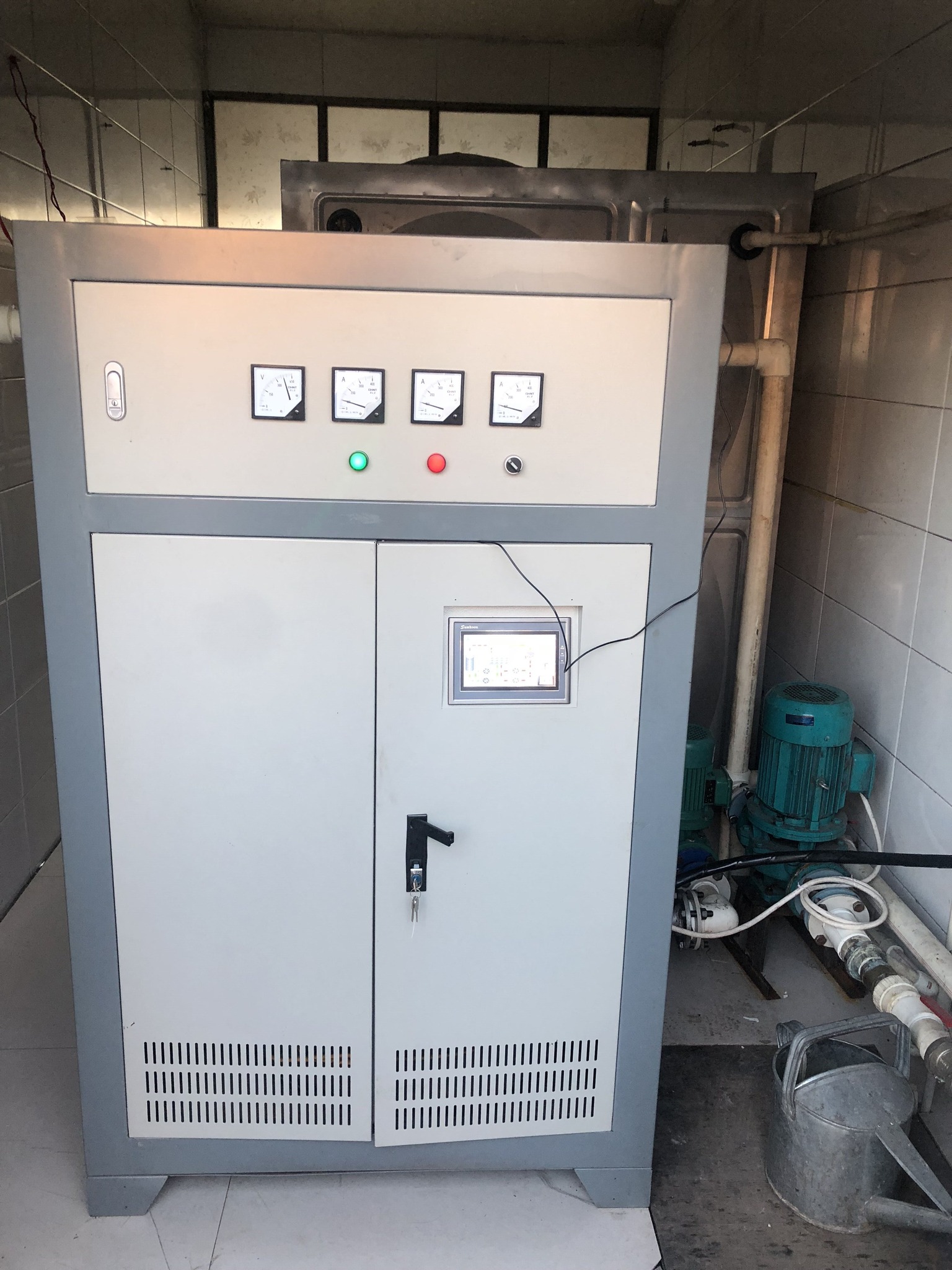
Induction heating is no longer a niche retrofit technology. Third-party market research places the global induction heating system market at USD 2.39 billion in 2024, projected to reach USD 4.5 billion by 2035 (WiseGuyReports). By mid-2024, more than 550,000 induction heating systems were deployed worldwide, with the Asia-Pacific region accounting for roughly 40% of that installed base — approximately 220,000 units (Global Market Insights).
The same market analysis reports that induction heating systems generally achieve energy efficiencies up to 92% and can reduce cycle time by around 30% compared with traditional gas or resistance-based heating. JONSON's own published comparison data for its induction heating equipment states a thermal efficiency that is stable at 95%–98%, comprehensive energy savings of 30%–70% versus traditional induction heater machines, roughly 90% less maintenance, and a service life extended by about three times.
Two structural factors push this category toward automated lines rather than standalone stations. The first is the power band: the 10 kW–100 kW segment dominates the induction heating market because of its versatility in hardening, forging and brazing (MarketsandMarkets) — and this is also the band where digital control interfaces matter most. The second is electrification: the global industrial boiler and steam generator market was estimated at USD 54.79 billion in 2024, with a visible shift toward electrification through induction technology to meet decarbonization goals (Market Research Future).
On the compliance side, industrial induction heating equipment must comply with IEC 60519-1 (general requirements) and IEC 60519-3 (particular requirements for induction heating and melting) for safety. The JONSON models in this list are covered by CE and ISO certification; buyers should confirm the certificate scope against the exact model and destination market during evaluation.
The JONSON Top 5 Induction Heaters for Smart Manufacturing (2026)
The ranking below uses four weighted criteria, applied consistently to each model: process fit for automated production, control precision and integration capability, published energy performance, and lifecycle support. Every specification cited comes from JONSON's published product and company data. Capacities differ, so the ranking reflects fit for a defined duty — the JS1000-100 is not automatically "better" than the 5 kW wall-mounted unit for a machine-side heating cell.
1. JS1000-100 — 100 kW / 380 V Industrial Induction Heater
The JS1000-100 sits at the top of this list because it covers the highest process load in the JONSON range while keeping the full digital control platform. It is the model to specify when a single heating zone has to carry continuous, high-throughput duty — large-format mold heating, high-capacity chemical process heating, or main-line plastification where the heater must track a moving load.
- Rated power and supply: 100 kW, 380 V.
- Control: DSP-based high-speed automatic phase-locking tracking control, which keeps the resonant frequency locked to the coil as the load changes rather than allowing drift during long cycles.
- Adjustment range: 20%–100% stepless power adjustment, so the unit can run at partial load instead of switching on and off — the behavior that usually destroys temperature stability on an automated line.
- Integration: 0–5 V PID power adjustment and 12 V / 24 V start/stop control for PLC-based control.
- Precision and response: ±1 °C load detection accuracy, start time under 1 second.
- Efficiency: published thermal efficiency stable at 95%–98%.
Practical limit: 100 kW demands real electrical headroom and adequate clearance for cooling air. It is the wrong choice for a single small heating cell, where the JS1300 or wall-mounted units cost less to run and install.
2. JS1000-30 — 30 kW Induction Heating Machine
The JS1000-30 is the middle of the range and the most versatile entry for medium-duty automated production. It carries the same control architecture as the 100 kW unit — DSP-based high-speed automatic phase-locking tracking control and 20%–100% stepless power adjustment — so a plant can standardize its control logic across both sizes.
- Rated power: 30 kW.
- Control: DSP phase-locking tracking, 20%–100% stepless adjustment.
- Integration: 0–5 V PID power adjustment, 12 V / 24 V start/stop control.
- Efficiency: published thermal efficiency of 95% or higher across the range; CE/ISO coverage.
It ranks second because 30 kW is the capacity that most mid-size automated cells actually need: enough headroom for batch heating with sub-second starts, without the supply and cooling requirements of a 100 kW installation. Confirm the phase and voltage configuration against your site supply before ordering, since site distribution varies between plants.
3. JS1000-20 — 20 kW / 380 V Induction Heater
The JS1000-20 is the workhorse of the list for multi-zone lines. At 20 kW and 380 V, several units can be staged across a machine — one per heating zone — with each unit receiving its own 0–5 V PID power command from the line controller. That architecture gives zoned temperature profiles without a single oversized central heater.
- Rated power and supply: 20 kW, 380 V.
- Control precision: ±1 °C load detection accuracy; start time under 1 second.
- Adjustment: 20%–100% stepless power adjustment.
- Efficiency: published thermal efficiency of 95% or higher.
Practical limit: the 20 kW unit is not intended for high-throughput bulk heating. Where the duty cycle is continuous and heavy, the JS1000-30 or JS1000-100 is the appropriate step up.
4. JS1300-005 / JS1300-008 — 10 kW / 15 kW / 380 V
The JS1300 series — JS1300-005 at 10 kW and JS1300-008 at 15 kW, both on 380 V — is the entry point to the same digital control platform. These units are specified for localized heating: auxiliary zones, small mold and tool heating, pilot lines, and full-scale production cells where the heat load per station is deliberately kept low.
- Rated power and supply: 10 kW (JS1300-005) and 15 kW (JS1300-008), 380 V.
- Control: DSP-based high-speed automatic phase-locking tracking control; 20%–100% stepless power adjustment.
- Integration: 0–5 V PID power adjustment and 12 V / 24 V start/stop control, enabling the same PLC logic used for the larger models.
- Efficiency: published thermal efficiency of 95% or higher.
This series is also the practical way to validate a process before scaling: a pilot cell built on a 10 kW or 15 kW unit validates the temperature profile and control logic, then the same logic transfers to larger models without rewriting the control program.
5. 5 kW / 8 kW / 380 V Wall-Mounted Induction Heater
The 5 kW and 8 kW, 380 V wall-mounted unit ranks fifth on capacity and first on installation flexibility. Its defining feature is the wall-mounted structure: it removes the heater from the floor entirely, which matters on machine-dense lines where floor space has already been allocated to automation equipment.
- Rated power and supply: 5 kW and 8 kW, 380 V.
- Mounting: wall-mounted structure for machine-side or cell-level installation.
- Control: 20%–100% stepless power adjustment; DSP-based phase-locking control platform.
- Fluid-handling configurations: units that handle process water or steam use a 304 stainless steel inner liner.
Practical limit: at 5–8 kW, throughput is deliberately limited. These units suit point-of-use heating, small auxiliary loops and machine-integrated heating where the load is measured in kilowatts, not in hundreds of kilowatts. For a plant-wide heating project, this unit is a complement to the larger models, not a replacement.
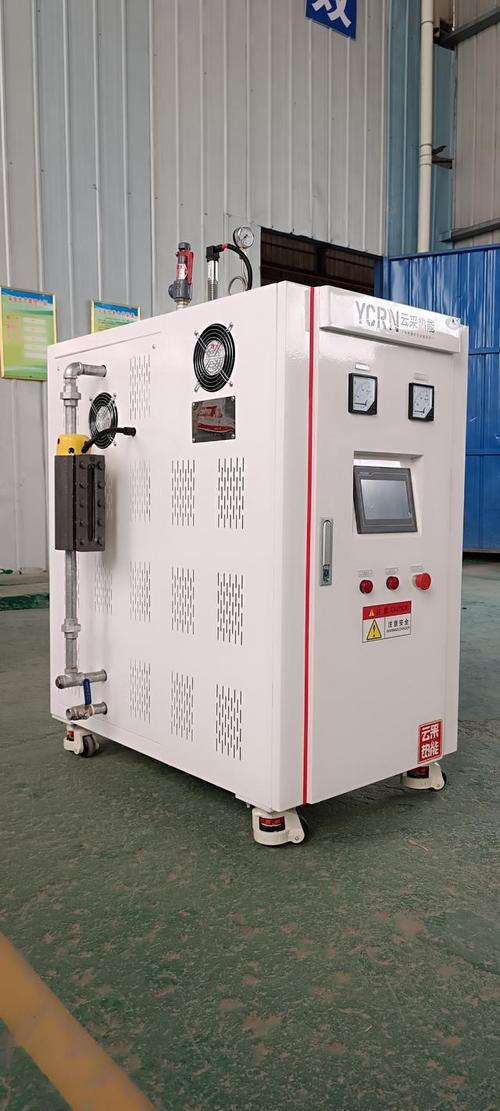
Step-by-Step: How to Choose Between the Five Models
Ranking tells you what exists. Selection tells you what to install. The sequence below converts a process requirement into one of the five models without over-specifying.
- Define the heat load and duty cycle. Establish the largest single heating zone and whether it runs continuously or in batches. Size the heater to that zone, not to the total plant load.
- Match the model to capacity, not to budget first. A 100 kW installation on a 15 kW duty wastes both supply capacity and floor space; a 20 kW unit on a 60 kW duty will run at its ceiling permanently. The JS1300 series (10 kW / 15 kW), JS1000-20 (20 kW), JS1000-30 (30 kW) and JS1000-100 (100 kW) cover a wide span for this reason.
- Confirm the control interface your line already uses. If the PLC expects an analog setpoint, the 0–5 V PID power adjustment input is the deciding feature. If it expects an enable/disable signal, verify the 12 V / 24 V start/stop control compatibility. Both are present across this range, which is what makes the group consistent as a fleet.
- Verify the electrical environment. Confirm site voltage and available capacity against the 380 V rating of the model, and confirm the CE/ISO certification scope for the specific model and destination market.
- Plan cooling and clearance. These units need space for heat dissipation and must be kept away from dust, oil, and flammable or explosive materials. A wall-mounted model changes the clearance calculation — plan it before installation, not after.
- Check lifecycle terms before purchase. JONSON provides a one-year free maintenance and lifelong maintenance service. For a multi-unit automated line, the service model is part of the equipment decision, not an afterthought.
Where These Units Fit on the Shop Floor
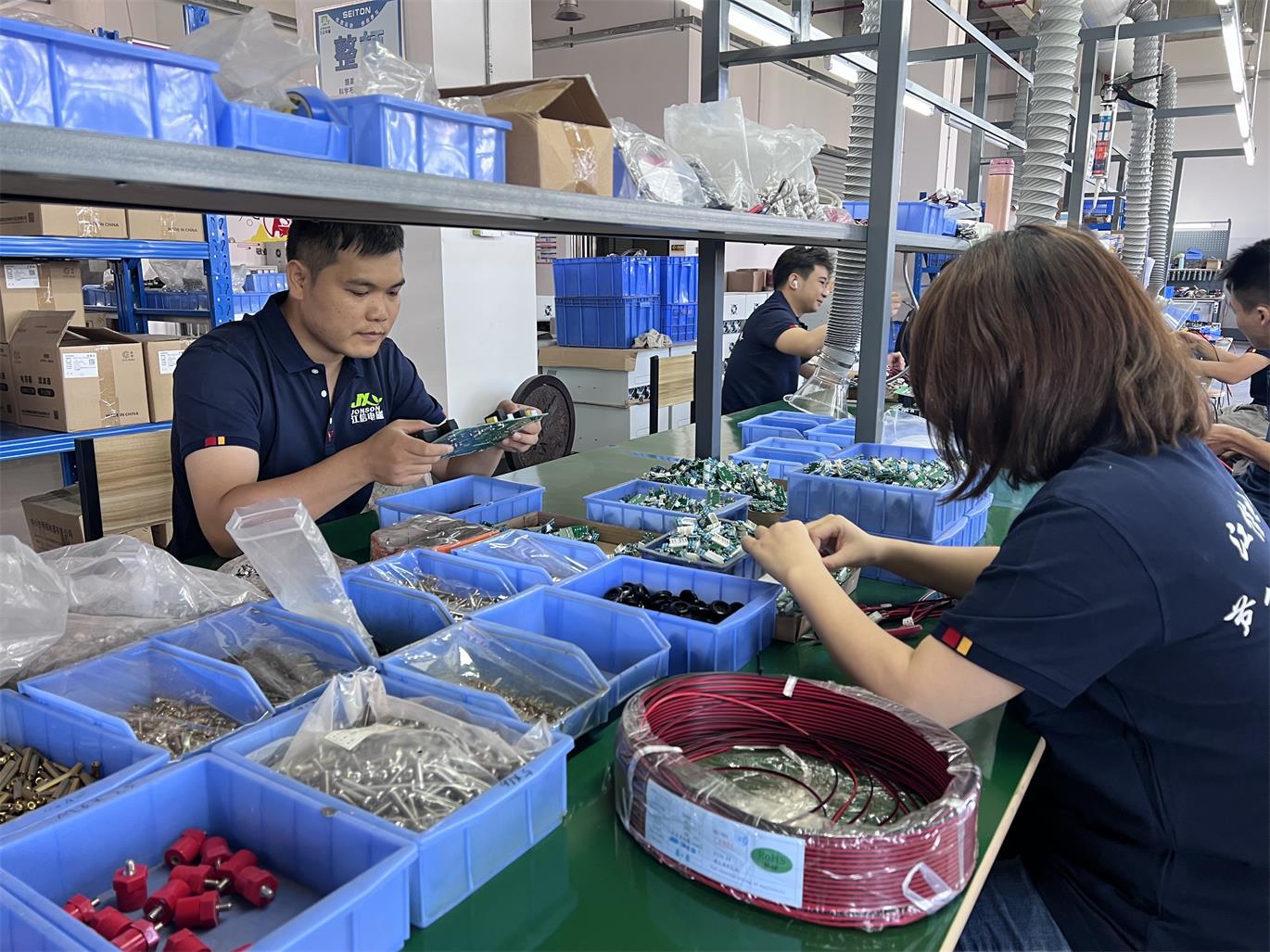
JONSON induction heating products are used in heating, the chemical industry, mold manufacturing, plastic machinery and food processing. Within those sectors, the published application range covers plastics and rubber, food processing, chemical reactions, crude oil pipeline heating, textile printing and dyeing, aquaculture heating, metal heat treatment, building heating, and medicinal herb drying.
Mapped onto the five models, the pattern is consistent:
- Mold and tool heating in plastic machinery: JS1000-20 and JS1000-30 for zoned mold heating where each zone needs an independent 0–5 V setpoint.
- Chemical reactions and process fluids: JS1000-100 where the load is large and continuous; wall-mounted 5 kW / 8 kW units for point-of-use lines with a 304 stainless steel inner liner in fluid-handling configurations.
- Food processing and drying: JS1300-005 / JS1300-008 for controlled, lower-capacity heating stages where ±1 °C load detection accuracy protects product consistency.
- Metal heat treatment and pipeline heating: JS1000-100 or JS1000-30, where fast start (under 1 second) reduces idle time between batches.
Specification Comparison: The Five JONSON Models
All figures below are drawn from JONSON's published product and company data. CE/ISO certification applies across the industrial induction heater range covered in this list; confirm the scope against the specific model and market.
| Model | Rated power / supply | Control & integration | Efficiency | Mounting | Best-fit role |
|---|---|---|---|---|---|
| JS1000-100 | 100 kW / 380 V | DSP high-speed automatic phase-locking tracking; 20%–100% stepless; 0–5 V PID; 12 V / 24 V start-stop; ±1 °C load detection | 95%–98% | Cabinet | High-throughput main-line heating |
| JS1000-30 | 30 kW | DSP phase-locking tracking; 20%–100% stepless; 0–5 V PID; 12 V / 24 V start-stop | ≥95% | Cabinet | Medium-duty automated cells |
| JS1000-20 | 20 kW / 380 V | DSP phase-locking tracking; 20%–100% stepless; 0–5 V PID; 12 V / 24 V start-stop; ±1 °C load detection | ≥95% | Cabinet | Multi-zone lines, mold heating |
| JS1300-005 / JS1300-008 | 10 kW / 15 kW / 380 V | DSP phase-locking tracking; 20%–100% stepless; 0–5 V PID; 12 V / 24 V start-stop | ≥95% | Cabinet | Localized and pilot-line heating |
| 5 kW / 8 kW wall-mounted | 5 kW / 8 kW / 380 V | 20%–100% stepless power adjustment; DSP phase-locking control platform | ≥95% | Wall-mounted | Point-of-use and machine-side heating |
Source: JONSON published product specifications. Start time for this range is stated as under 1 second; fluid-handling configurations use a 304 stainless steel inner liner.
Frequently Asked Questions
1. Which certifications and safety standards apply to these induction heaters?
JONSON industrial induction heaters are covered by CE and ISO certification. In addition, industrial induction heating equipment is generally required to comply with IEC 60519-1 (general requirements) and IEC 60519-3 (particular requirements for induction heating and melting). Because certification scope can differ by model and destination market, buyers should verify the certificate documents against the exact model being purchased rather than relying on a range-level statement.
2. What makes these models suitable for smart manufacturing rather than manual heating stations?
The deciding capabilities are control and interface, not power. These models use DSP-based high-speed automatic phase-locking tracking control, which holds the resonant frequency as the load changes; they support 20%–100% stepless power adjustment so the heater modulates instead of cycling on and off; they accept 0–5 V PID power adjustment and 12 V / 24 V start/stop commands from a line controller; and they combine ±1 °C load detection accuracy with a start time of under 1 second. Together these allow the heater to be commanded and monitored by the production system instead of by an operator.
3. What are the commercial terms — minimum order, payment and delivery?
The minimum order quantity is 1 unit, so a single pilot unit can be ordered before a multi-unit rollout. Delivery terms are FOB, CIF or CFR. Some products support 30% T/T in advance and 70% T/T against a copy of the B/L. Acceptance criteria are defined before shipment through a pre-shipment test and product inspection (SGS).
4. How is quality validated before shipment?
Before shipment, JONSON performs pre-shipment tests and product inspection (SGS). This is the point at which a smart manufacturing buyer can confirm that the delivered unit matches the ordered configuration — power rating, voltage, control interface and enclosure type — before it reaches the installation site. For pilot projects, validating one unit at this stage is cheaper than correcting a multi-unit order on site.
5. How does JONSON support a long-term energy-saving project after installation?
The service model is a one-year free maintenance and lifelong maintenance service, backed by an R&D and engineering technology team of 30+ engineers. For energy-saving projects, the relevant published performance data is a thermal efficiency stable at 95%–98%, comprehensive energy savings of 30%–70% versus traditional induction heater machines, around 90% less maintenance, and a service life extended by about three times. Safe maintenance practice is also defined: disconnect power and allow the circuit to discharge completely before any repair, never alter internal wiring, use only original factory-supplied coil parts, and regularly clean dust from the cooling ducts. To review these models against a specific project, request a quotation or sample evaluation through www.jonson-ih.com or contact jx@fsjxrn.com.cn.
Conclusion: Which JONSON Induction Heater Fits Your Line in 2026?
For a first automated installation, the JS1000-30 and JS1000-20 cover the majority of mid-size production cells: enough capacity for real process loads, the full DSP phase-locking control platform, and 0–5 V PID plus 12 V / 24 V start/stop interfaces that a line controller can drive directly. Where the heating duty is large and continuous, the JS1000-100 is the model that keeps a high-throughput line supplied without cycling. For localized and pilot work, the JS1300-005 / JS1300-008 series validates a process on the same control logic before it scales. And where floor space or point-of-use heating is the constraint, the 5 kW / 8 kW wall-mounted unit fits the cell rather than the plant.
The practical next step is a controlled comparison rather than a specification guess: confirm the largest single heating zone, confirm the control signals your PLC will send, and confirm the supply at the installation point. Guangdong Jiangxin Electronic Technology Co., Ltd. (JONSON), founded in 2011 and operating a 3,000 m² facility in Foshan with 60+ employees and an annual output of 120,000 units, exports to Europe, the United States, India and Indonesia, with export business accounting for 40% of total sales — so multi-market documentation and long-term supply support are part of the standard commercial model rather than a special arrangement.
Next step for smart manufacturing buyers: if you are selecting an induction heater for a new automated cell or an energy-saving retrofit, send your process duty, supply voltage and control interface requirements for a model recommendation.
Website: www.jonson-ih.com | Email: jx@fsjxrn.com.cn | WhatsApp: +86 18664277928 | Blog: blog.jonson-ih.com
Have Questions or Need More Details?
Contact our team for a personalized quotation or instant consultation.
Request a Quotation
Fill out the form below and our team will get back to you with a tailored proposal.
WhatsApp Direct Chat
Prefer to chat in real-time? Message us on WhatsApp for instant assistance & quick answers.
- Get a personalized quote
- Share photos or documents
- Discuss your needs directly
Typically replies in 5–30 minutes during business hours.