
Induction Steam Generator vs. Hot Air Generator: Head-to-Head for Smart Manufacturing
Quick answer: a smart manufacturing line rarely fails because a heater is too weak — it fails because the heater delivers the wrong form of heat, the wrong capacity step, or cannot tolerate the plant's real voltage. In induction-based process heat, that decision usually narrows to two platforms: the JS-1600 Induction Steam Generator, rated 30 kW / 40 kW / 50 kW on 380 V with 380 V ±20% voltage adaptation and a 5–40 kHz operating frequency, and the JS-1600-8/12/15 Induction Heating Hot Air Generator, rated 8 kW / 12 kW / 15 kW at 380 V with a 300–400 V adaptation range, an 80–130 outlet temperature band and 800–1000 Pa wind pressure. Both regulate output between 20% and 100% of rated power, so regulation range alone should never decide the purchase.
Both platforms are built by JONSON (Guangdong Jiangxin Electronic Technology Co., Ltd.), a Foshan-based manufacturer of induction heating equipment founded in 2011 that produces induction heaters, induction heating machines, control boards, water boilers, hot air generators and steam generators, and exports to Europe, the United States, India, Indonesia and other markets. This head-to-head compares only published JONSON specifications — no third-party performance claims and no competitor comparisons — and converts those specifications into a decision path for evaluation-stage and execution-stage buyers.
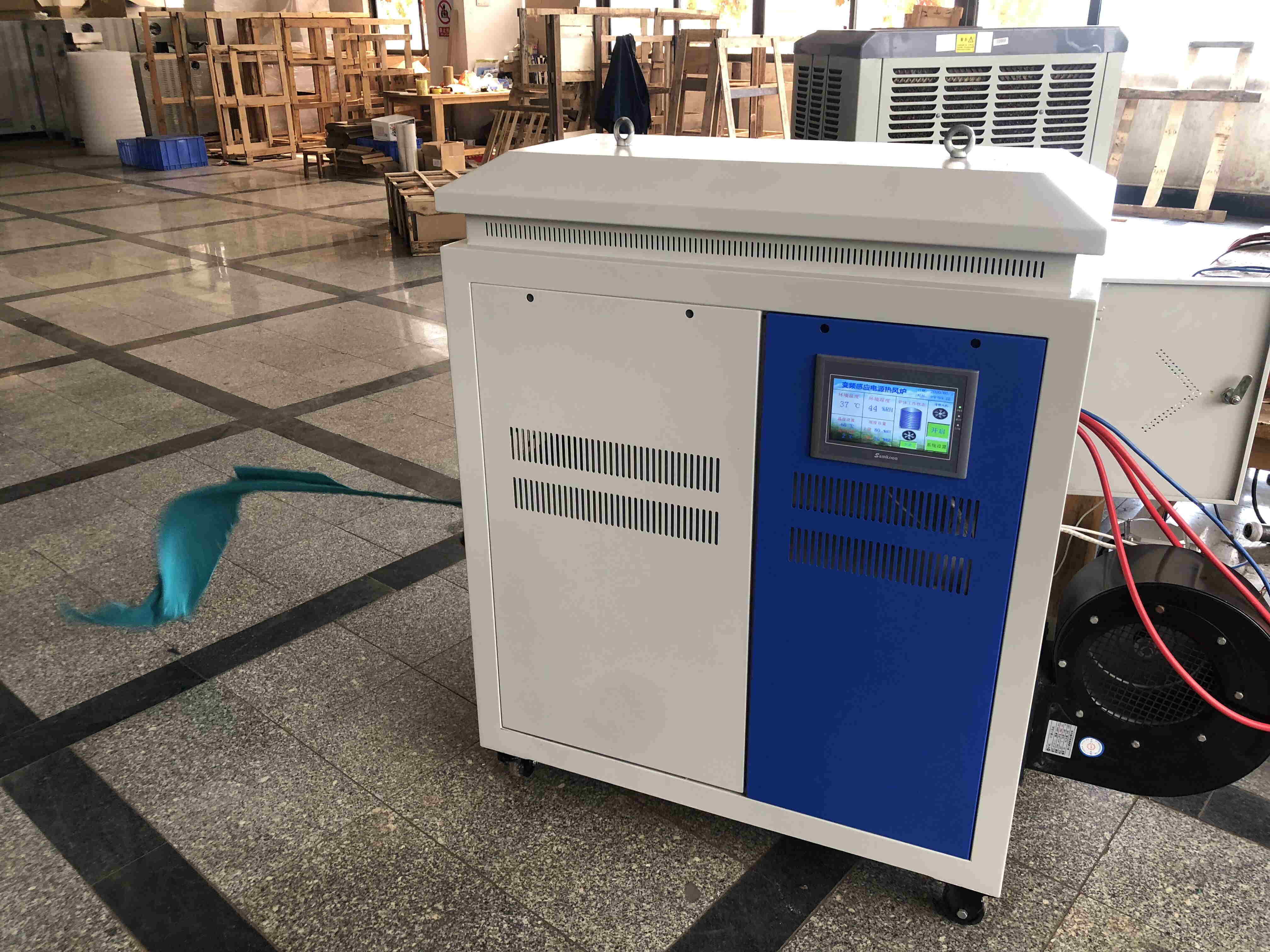
Problem Definition: Three Mismatches That Stall an Induction Heating Retrofit
The steam-versus-hot-air question becomes expensive when it is answered late. Three specific mismatches account for most retrofit problems in automated plants.
1. Heat form mismatch
Steam and hot air are not interchangeable outputs. Steam transfers heat when it condenses, which suits processes that need moisture, direct contact with a surface, or heat carried through a distribution loop. Hot air transfers heat by convection, and in JONSON's hot air platform it is delivered inside a published outlet temperature band of 80–130, with 800–1000 Pa of wind pressure to push it through a duct, tunnel or chamber. Specifying the wrong medium typically shows up as extended cycle times, uneven heating or a rejected batch — not as an equipment breakdown, which makes the error harder to diagnose.
2. Capacity step mismatch
The two JONSON platforms sit in different capacity bands: 8 / 12 / 15 kW for the hot air generator and 30 / 40 / 50 kW for the steam generator. A 20%–100% power regulation range is genuinely wide, and it covers warm-up, part-load operation and turndown on both units — but it does not turn a 15 kW machine into a 30 kW machine. Buyers should size on the base rating first and treat the regulation range as operating flexibility, not as extra capacity.
3. Electrical and physical envelope mismatch
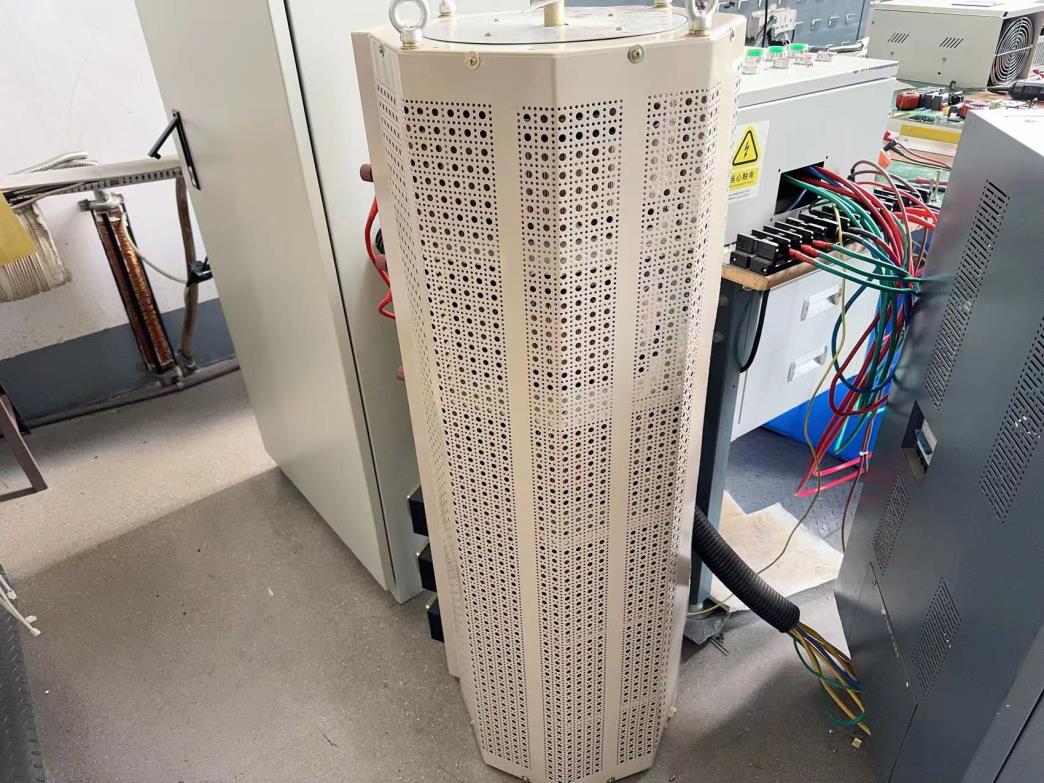
Voltage tolerance is not identical across the two platforms. The JS-1600 steam generator is specified for 380 V / 50 Hz / 60 Hz with a voltage adaptation range of 380 V ±20%. The JS-1600-8/12/15 hot air generator is rated at 380 V and accepts a 300–400 V supply. On sites with long feeders, shared loads or unstable grid conditions, that difference defines whether the unit runs at constant output or trips under load. Construction differs as well: the hot air generator is a vertical-type unit shipped in a wooden box (HS code 8516109000), while the steam generator is specified with a copper heating coil, a thickened aluminium alloy and cold-rolled steel plate casing, and a 304 stainless steel liner.
Industry Background: Why Induction Process Heat Is Moving Into Smart Manufacturing
Electrification of process heat is a measurable market shift rather than a slogan. The global induction heating system market was valued at USD 2.39 billion in 2024 and is projected to reach USD 4.5 billion by 2035, according to WiseGuyReports. The wider industrial boiler and steam generator market was estimated at USD 54.79 billion in 2024, and Market Research Future notes a move toward electrification through induction technology to meet decarbonisation goals.
Demand concentrates in the middle of the power range: MarketsandMarkets identifies the 10 kW–100 kW power segment as dominant, driven by applications such as automotive part hardening, forging and brazing. Both JONSON platforms sit inside that band, which is why they are frequently compared against each other rather than against unrelated equipment classes.
Efficiency is the commercial argument. Global Market Insights reports that induction heating systems achieve energy efficiencies up to 92% and reduce average cycle time by 30% compared with traditional gas or resistance-based heating. Compliance is the entry ticket: industrial induction heating equipment is expected to comply with IEC 60519-1 for general safety requirements and IEC 60519-3 for induction heating and melting equipment. In a smart manufacturing context, the operational advantage is controllability — an induction load can be regulated electronically between 20% and 100% of rated power, so the heater can follow a recipe or a line signal instead of running at a fixed duty.
Detailed Solution: The Two JONSON Platforms
JS-1600 Induction Steam Generator (30 / 40 / 50 kW)
The JS-1600 is described in JONSON's product data as a high frequency electromagnetic steam generator. Its published parameters are:
- Rated power: 30 kW, 40 kW or 50 kW; effective power 30 kW–50 kW
- Rated voltage and frequency: 380 V / 50 Hz / 60 Hz
- Voltage adaptation range: 380 V ±20%
- Power regulation range: 20%–100%
- Heat conversion efficiency: ≥99%
- Operating frequency: 5–40 kHz
- Ambient operating conditions: −20 to 40 °C, humidity ≤95%
- Construction: copper heating coil, thickened aluminium alloy and cold-rolled steel plate casing, 304 stainless steel liner
The JS-1600 Induction Steam Generator is also listed among the associated products in JONSON's ISO 9001, CE and CCC certification records, which matters when the unit is specified into a plant that is audited against quality or market-access documentation.
JS-1600-8/12/15 Induction Heating Hot Air Generator (8 / 12 / 15 kW)
The JS-1600-8/12/15 is a vertical-type induction heating machine producing hot air rather than steam. Its published parameters are:
- Rated power: 8 kW, 12 kW or 15 kW
- Rated voltage: 380 V
- Voltage adaptation range: 300 V–400 V
- Power adjustment range: 20%–100%
- Outlet temperature: 80–130
- Wind pressure: 800–1000 Pa
- Structure: vertical type; transport package: wooden box
- Published certification: CE, ISO, RoHS
- Origin: Guangdong Province, China; HS code 8516109000
- Construction: copper heating coil, thickened aluminium alloy and cold-rolled steel plate casing, 304 stainless steel liner
Head-to-head comparison table
| Parameter | JS-1600 Induction Steam Generator | JS-1600-8/12/15 Induction Heating Hot Air Generator |
|---|---|---|
| Output medium | Steam | Hot air |
| Rated power | 30 kW / 40 kW / 50 kW | 8 kW / 12 kW / 15 kW |
| Effective power | 30 kW–50 kW | Not published in the available product data |
| Rated voltage and frequency | 380 V / 50 Hz / 60 Hz | 380 V |
| Voltage adaptation range | 380 V ±20% | 300 V–400 V |
| Power regulation range | 20%–100% | 20%–100% |
| Heat conversion efficiency | ≥99% | Not published in the available product data |
| Operating frequency | 5–40 kHz | Not published in the available product data |
| Outlet temperature | Not published in the available product data | 80–130 |
| Wind pressure | Not published in the available product data | 800–1000 Pa |
| Structure | Not published in the available product data | Vertical type |
| Ambient operating conditions | −20 to 40 °C; humidity ≤95% | Not published in the available product data |
| Certification documentation | Listed among associated products in JONSON's ISO 9001, CE and CCC certification records | Published with CE, ISO and RoHS |
| Core materials | Copper heating coil; thickened aluminium alloy and cold-rolled steel plate casing; 304 stainless steel liner | Copper heating coil; thickened aluminium alloy and cold-rolled steel plate casing; 304 stainless steel liner |
| Packaging / HS code | Not published in the available product data | Wooden box; HS code 8516109000 |
| Origin | Not published in the available product data | Guangdong Province, China |
Where a cell reads “Not published”, the parameter is not stated in JONSON's available product data for that model and should be confirmed directly with the manufacturer before the order is finalised.
Step-by-Step Breakdown: Choosing Between Steam and Hot Air in Six Steps
Step 1 — Define the heat form the process consumes
Write down whether the process needs steam or moving hot air, not which machine looks more capable. If the line already has a steam header, a sterilisation step, a chemical reaction requiring moisture, or a heat-transfer loop, the JS-1600 Induction Steam Generator is the logical candidate. If the line uses a duct, tunnel, drying chamber or air-circulated oven, and dry convection is acceptable, the JS-1600-8/12/15 hot air generator is the logical candidate.
Step 2 — Fix the base capacity, then use the turndown
Select the base rating from the published steps: 8, 12 or 15 kW for hot air; 30, 40 or 50 kW for steam. Both units then regulate between 20% and 100% of rated power, so the base rating defines the maximum thermal duty and the regulation range defines how far the machine can be turned down during warm-up, idling or part-load production.
Step 3 — Verify the electrical envelope at the installation point
Measure the actual supply at the point of connection, not at the transformer. The JS-1600 steam generator accepts 380 V ±20% on a 50 Hz or 60 Hz supply; the hot air generator accepts 300–400 V at a rated 380 V. Sites with long cable runs or shared heavy loads should be checked against these figures before the model is confirmed.
Step 4 — Check the physical and environmental fit
The hot air generator is a vertical-type machine shipped in a wooden box, which suits floor-level installation near a duct or chamber. The steam generator is specified for ambient temperatures of −20 to 40 °C with humidity up to 95%, and is built around a copper heating coil, a thickened aluminium alloy and cold-rolled steel plate casing, and a 304 stainless steel liner. Both platforms share the same liner and coil material approach, which keeps spares and maintenance practice consistent across a mixed plant.
Step 5 — Plan the automation interface before ordering
Panel layout, parameter set-points and branding are easier to settle at the specification stage than after installation. JONSON provides OEM and ODM production services for induction heating equipment, and its customization services include product specification customization, sample fabrication, graphic and panel customization, parameter adjustment and private logo customization — the practical levers for fitting a generator into an existing cabinet, control room layout or line signal architecture.
Step 6 — Validate with a pilot unit, then scale
Run one unit on the target process before rolling the specification across a line. Sample fabrication is a published JONSON service, the minimum order quantity is 1 unit, and every unit is covered by a 100% pre-shipment test with product inspection available through SGS. Once the pilot proves the required output, the same specification can be repeated across the remaining stations without re-engineering.
Use Cases: Where Each Platform Earns Its Place
JONSON lists both platforms among equipment used in plastics and rubber, food processing, chemical reactions, crude oil pipeline heating, textile printing and dyeing, aquaculture heating, metal heat treatment, building heating and medicinal herb drying. The deciding factor inside those industries is the heat-transfer mechanism the line actually requires.
- Steam-side fit: processes that need a condensing medium, moisture-bearing heat, sterilisation, or heat distributed through a header — food processing, chemical reactions, textile printing and dyeing, medicinal herb drying, and building heating systems that already run on steam.
- Hot air-side fit: processes that need dry, moving air at a controlled temperature — drying tunnels and chambers, mould and tool preheating, moisture-sensitive products, and stations where the air stream must be ducted directly onto the workpiece at 800–1000 Pa wind pressure.
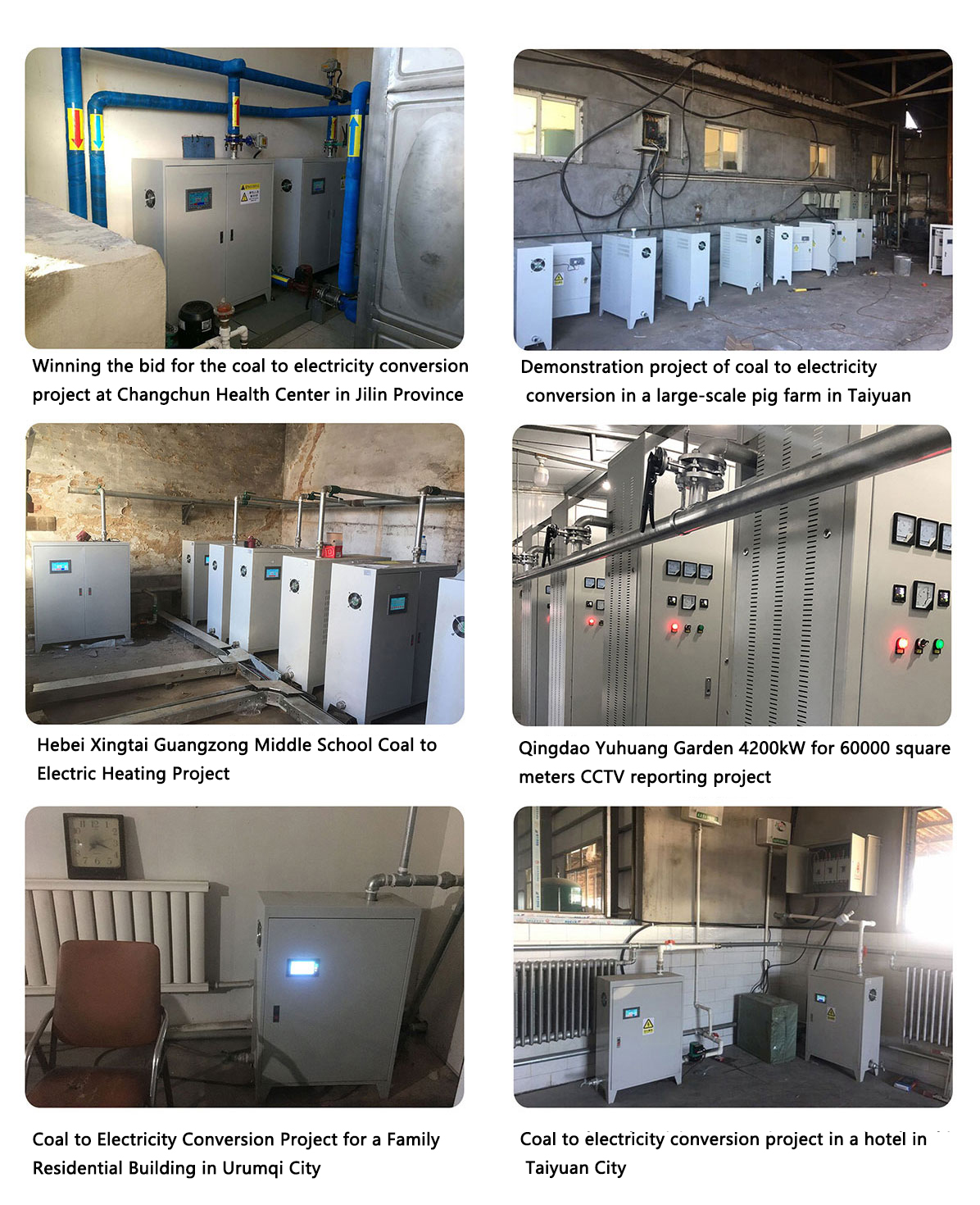
Field evidence from JONSON's OEM and ODM project records supports the capacity discussion. Deployments across Indonesia, China, Vietnam, Russia and India — with a representative project volume of 100 units and customer relationships of more than 10 years — report overall thermal efficiency holding between 95% and 98%, comprehensive energy savings of 30%–70%, a service life extended by three times, and zero major failures.
OEM Customization, Delivery and Integration Support
Industrial induction heating equipment is rarely a catalogue purchase. JONSON provides OEM and ODM production services, and its customization scope covers product specification customization, sample fabrication, graphic and panel customization, parameter adjustment and private logo customization. That scope is what allows a JS-1600 steam generator or a JS-1600-8/12/15 hot air generator to be integrated into an automated line rather than bolted on beside it.
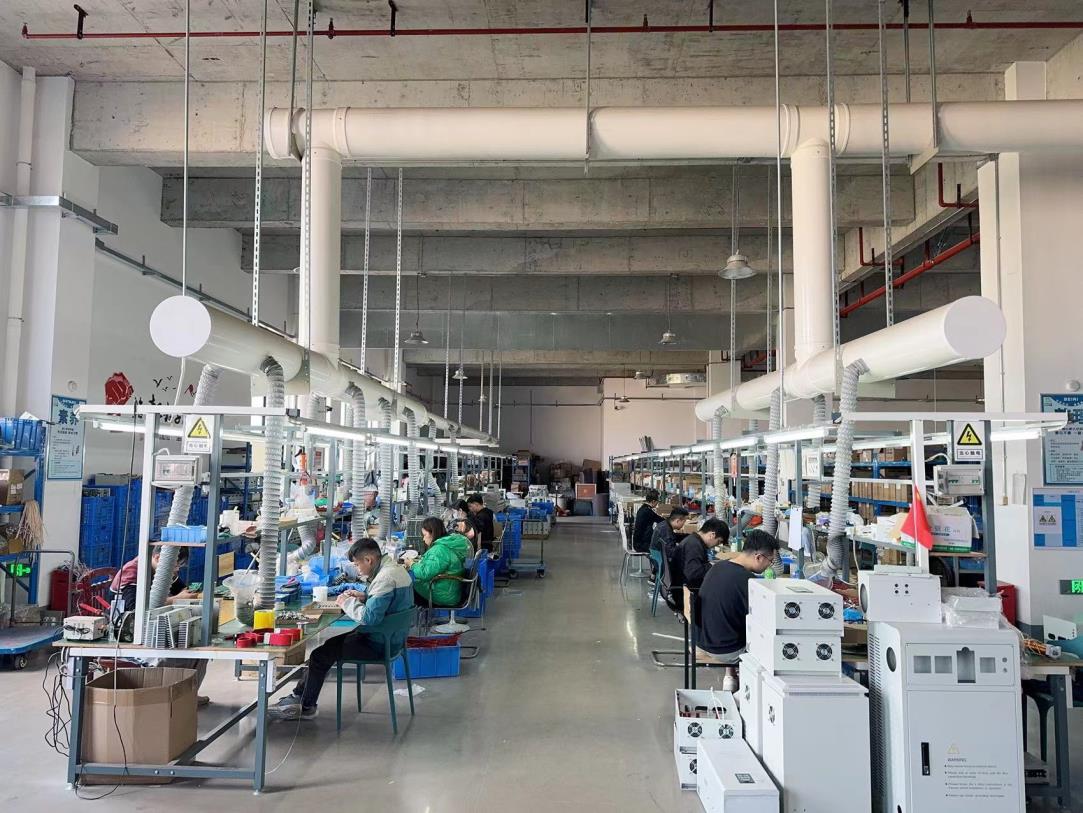
Manufacturing capacity behind those orders includes a 3000 m² facility, 60+ employees, a 30+ engineer R&D team, annual output of 120,000 units and monthly capacity of 10,000 units, with an export ratio of 40% and main markets in Europe, the United States, India and Indonesia. Standard lead time is 7–14 days with a minimum order quantity of 1 unit. Quality control is a 100% pre-shipment test with product inspection available through SGS, and after-sales support is provided remotely. JONSON also states a ten-year whole-machine service-life guarantee, one year of free maintenance and lifetime maintenance.
FAQ
Do the JS-1600 steam generator and JS-1600-8/12/15 hot air generator meet industrial compliance requirements?
They are covered by different layers of documentation. JONSON holds ISO 9001:2015 quality management system certification 02826Q00032R001, issued by Beijing Zhong An Zhi Huan Certification Center Co., Ltd. and valid from 2026-01-06 to 2029-01-07, and a CE certificate of conformity, KEYS23032915001EM-02, issued by Guangdong KEYS Testing Technology Co., Ltd. and valid from 2023-04-07 to 2028-04-07. The JS-1600 Induction Steam Generator is listed among the associated products in JONSON's ISO 9001, CE and CCC certification records, while the JS-1600-8/12/15 Induction Heating Hot Air Generator is published with CE, ISO and RoHS certification. For industrial installations, IEC 60519-1 and IEC 60519-3 are the relevant safety standards for induction heating equipment. Because certificate scopes are model- and market-specific, buyers should confirm which certificate covers their exact model and destination market before shipment.
Can JONSON adapt either generator for an automated production line?
Yes — both platforms are customizable at specification level. JONSON provides OEM and ODM production services for induction heating equipment, and its customization services include product specification customization, sample fabrication, graphic and panel customization, parameter adjustment and private logo customization. In practice this is what allows a generator to be matched to an existing control cabinet, panel layout or line signal instead of forcing the line to adapt to the heater. The company supports this work with a 30+ engineer R&D team and a monthly manufacturing capacity of 10,000 units.
What commercial terms and cost drivers should a buyer plan for?
JONSON does not publish list prices for either platform, so the practical planning inputs are the commercial terms and the specification drivers behind a quotation. The minimum order quantity is 1 unit, standard delivery terms are FOB, CIF and CFR, and some products support 30% T/T in advance with 70% T/T against a copy of the B/L. Cost is driven mainly by the base power rating — 8 / 12 / 15 kW for the hot air generator versus 30 / 40 / 50 kW for the steam generator — together with the voltage adaptation range required at the site, the scope of panel and parameter customization, and packaging such as the wooden box used for the hot air unit.
Can we validate a unit before committing to a full order?
Sample fabrication is one of JONSON's published customization services, and the 1-unit minimum order quantity means a single pilot unit can be ordered for line validation. Every unit is additionally covered by a 100% pre-shipment test, with product inspection available through SGS. For a smart manufacturing retrofit, the usual route is to run the pilot unit on the target process, confirm the outlet or heat-transfer performance, and then apply the validated specification across the remaining stations.
What is the lead time, and how do we start an inquiry?
Standard lead time is 7 to 14 days, supported by a monthly capacity of 10,000 units, and after-sales support is delivered remotely. JONSON states a ten-year whole-machine service-life guarantee, one year of free maintenance and lifetime maintenance. To move forward, send the process heat form (steam or hot air), the required base power, the site voltage range and the automation interface requirements to the JONSON team through www.jonson-ih.com or jx@fsjxrn.com.cn, and request a sample or quotation for the platform that fits the process.
Conclusion
The steam-versus-hot-air decision resolves quickly once it is framed in the right order: heat form first, base capacity second, electrical envelope third, physical integration fourth, automation interface fifth, and pilot validation last. On that basis, the JS-1600 Induction Steam Generator (30 / 40 / 50 kW, 380 V / 50 Hz / 60 Hz, 380 V ±20%, ≥99% heat conversion efficiency, 5–40 kHz) serves lines that need a condensing, moisture-bearing or header-distributed heat medium. The JS-1600-8/12/15 Induction Heating Hot Air Generator (8 / 12 / 15 kW, 380 V, 300–400 V adaptation, 80–130 outlet temperature, 800–1000 Pa wind pressure, CE / ISO / RoHS) serves ducted, dry convection duty where the airflow has to reach the workpiece directly.
Both platforms share the same 20%–100% power regulation range, the same copper coil, thickened aluminium alloy and cold-rolled steel plate casing, and 304 stainless steel liner construction, and the same OEM and ODM customization path — so the choice is a process decision, not a quality trade-off. Buyers who still need to settle it can order a single pilot unit, run it against the target process, and scale from verified performance rather than from a specification sheet.
Have Questions or Need More Details?
Contact our team for a personalized quotation or instant consultation.
Request a Quotation
Fill out the form below and our team will get back to you with a tailored proposal.
WhatsApp Direct Chat
Prefer to chat in real-time? Message us on WhatsApp for instant assistance & quick answers.
- Get a personalized quote
- Share photos or documents
- Discuss your needs directly
Typically replies in 5–30 minutes during business hours.