
Gas vs. Induction Steam Generators: A Cost & Efficiency Comparison
Gas vs. Induction Steam Generators: A Cost & Efficiency Comparison
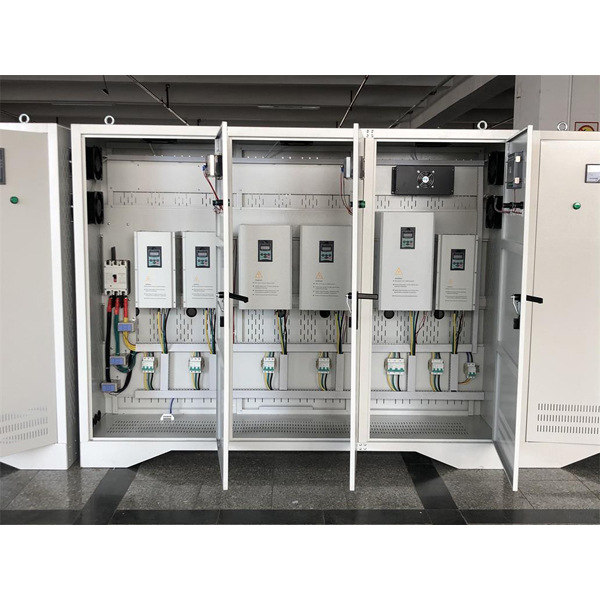
Short answer: a gas-fired steam generator usually costs less to purchase and runs on widely available fuel, but it carries combustion losses, a burner and flue maintenance calendar, and on-site emissions. An induction steam generator costs more upfront and needs a solid 380 V supply, but it removes the combustion path entirely. JONSON's JS-1600 Induction Steam Generator is offered with 30 kW–50 kW power options at 380 V, with 20%–100% power regulation and a 5–40 kHz operating frequency, and carries CE and ISO certification. JONSON reports 95%–98% thermal efficiency for its induction heating platform. The right choice depends on your steam load profile, your electricity-to-gas price ratio, and how much maintenance exposure your plant can absorb.
Problem Definition: Why “Gas vs. Induction” Is Rarely a Like-for-Like Price Comparison
A gas-fired steam generator is a combustion system. Its main components are a burner, a combustion chamber, a boiler body or heat exchanger, a flue, and the safety interlocks that manage flame failure, fuel leakage and pressure. An induction steam generator is an electrical system. Its main components are an induction heating coil, a high-frequency power supply, and an all-digital induction heating controller. The two machines consume different energy carriers at different prices, fail in different ways, and are maintained by different people. A side-by-side purchase price therefore tells you very little about which one costs less to run.
Four cost categories are routinely underestimated in this comparison:
- Conversion losses. On the gas side, part of the fuel's energy leaves through the flue and as radiant loss around the combustion chamber. On the induction side, losses appear in the power supply and the coil rather than in an exhaust stream.
- Maintenance and inspection. Combustion equipment typically requires burner service, flue inspection and pressure-component checks. Induction equipment has no combustion path; the maintenance items are the cooling path and the induction heating coil.
- Site works and compliance. Gas installations usually involve fuel supply routing, flue routing and ventilation. Induction installations usually involve electrical capacity, cabinet cooling and clearance for heat dissipation.
- Part-load behaviour. Very few plants run steam at a constant 100% of rated capacity. Whatever the nameplate says, the real cost is decided at 30%, 50% and 70% load.
Because these four items behave differently from site to site, the same pair of machines can produce opposite conclusions in two different factories. That is why the comparison has to be built from your own steam load data and your own tariffs, not from a specification sheet alone.
Industry Background: Steam Generation Is Moving Toward Electrification
The gas-versus-induction question is being asked more often because the underlying market is shifting. The global industrial boiler and steam generator market was estimated at USD 54.79 billion in 2024, and analysts point to a shift toward electrification via induction technology as industrial operators respond to decarbonization goals (Market Research Future).
On the equipment side, the global induction heating system market was valued at USD 2.39 billion in 2024 and is projected to reach USD 4.5 billion by 2035 (WiseGuyReports). As of mid-2024, more than 550,000 induction heating systems were deployed worldwide, with the Asia-Pacific region accounting for about 40% of that installed base, or roughly 220,000 units (Global Market Insights).
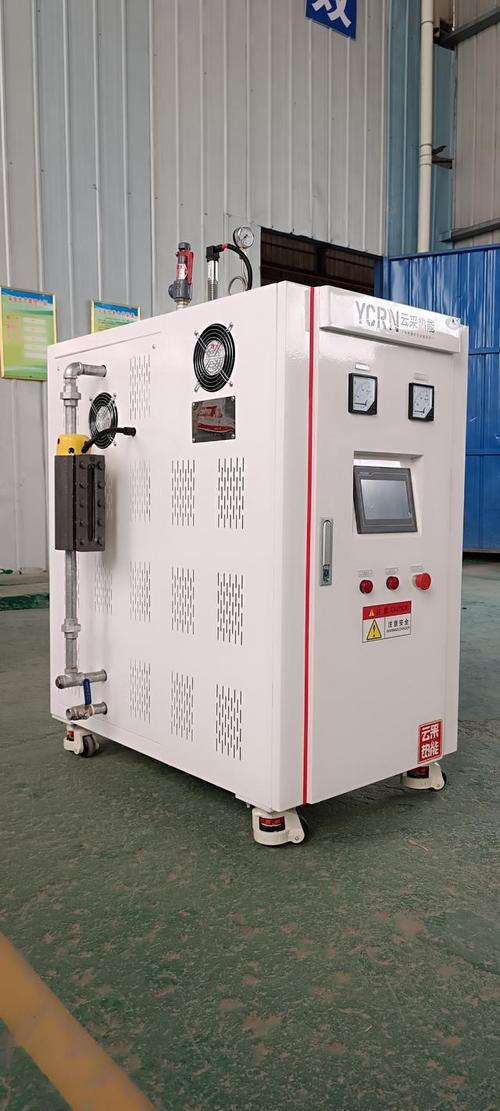
Independent market analysis also quantifies the efficiency argument: induction heating systems achieve energy efficiencies of up to 92%, with an average cycle time reduction of about 30% compared with traditional gas or resistance-based heating (Global Market Insights). The 10 kW–100 kW power band dominates the induction heating market because it covers hardening, forging and brazing alongside process heating duties (MarketsandMarkets).
Safety and compliance have matured as well. Industrial induction heating equipment is covered by IEC 60519-1, which sets general safety requirements for electroheat installations, and IEC 60519-3, which adds particular requirements for induction heating and melting. Buyers comparing a gas-fired unit with an induction unit should ask each supplier how their equipment maps to the applicable standard framework, not simply whether a certificate exists.
What an Induction Steam Generator Is, and What JONSON Builds
An induction steam generator produces steam without a flame. A high-frequency power supply feeds an induction heating coil; the alternating current in the coil creates a magnetic field that induces eddy currents inside a metal heating body; the heated body transfers energy directly to the water circuit, which converts to steam. Because there is no combustion, there is no fuel line, no burner and no flue at the point of use.
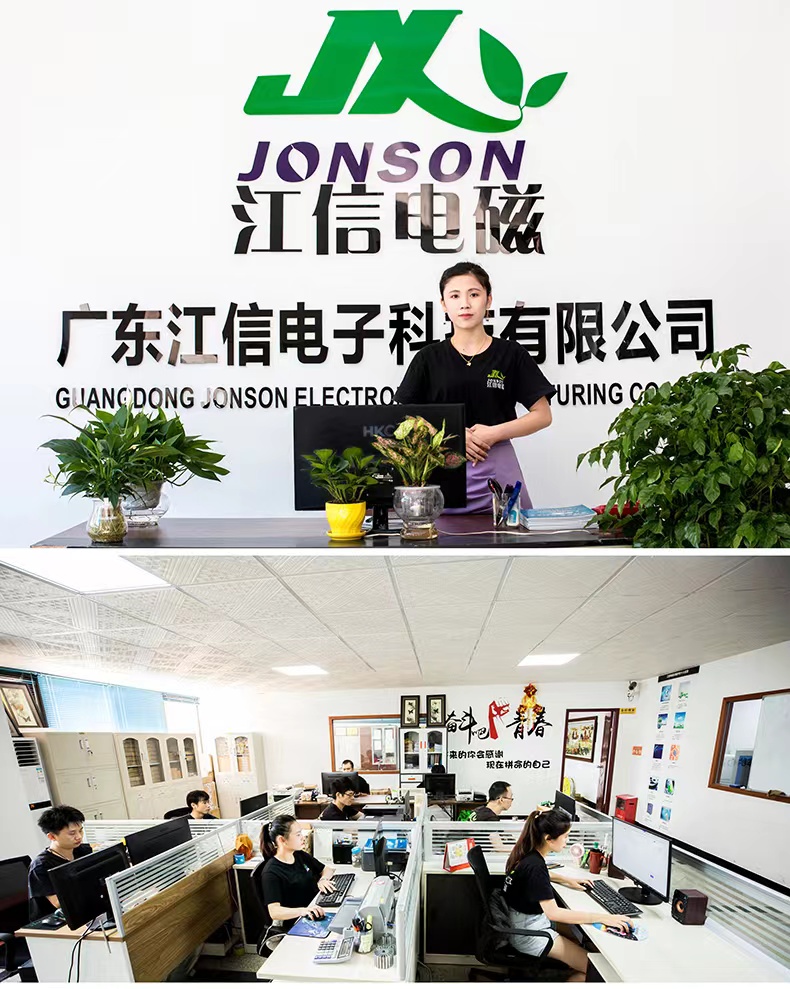
JONSON is the brand of Guangdong Jiangxin Electronic Technology Co., Ltd., an induction heating equipment manufacturer founded in 2011 and based in Shunde District, Foshan City, Guangdong Province, China. The company operates a 3,000 m² factory with more than 60 employees and an R&D team of more than 30 engineers, produces 120,000 units annually, and exports approximately 40% of its output to markets including Europe, the United States, India and Indonesia. Its range includes induction heaters, industrial induction heaters, induction heating water boilers, induction steam generators, induction heating hot air generators, induction heating coils, bearing induction heaters and induction welding machines. JONSON specializes in all-digital induction heating controllers and energy-saving steam generators for the injection molding and chemical industries.
JONSON JS-1600 Induction Steam Generator: Verified Specification
- Power options: 30 kW – 50 kW
- Operating voltage: 380 V
- Power regulation range: 20% – 100%
- Operating frequency: 5 – 40 kHz
- Certification: CE and ISO
- Control: all-digital induction heating control
The 20%–100% regulation range is the specification with the most practical weight in a steam application. It means the unit can follow a falling steam demand instead of switching between full output and off, which is where part-load efficiency is usually lost.
Reported Performance and Service Life
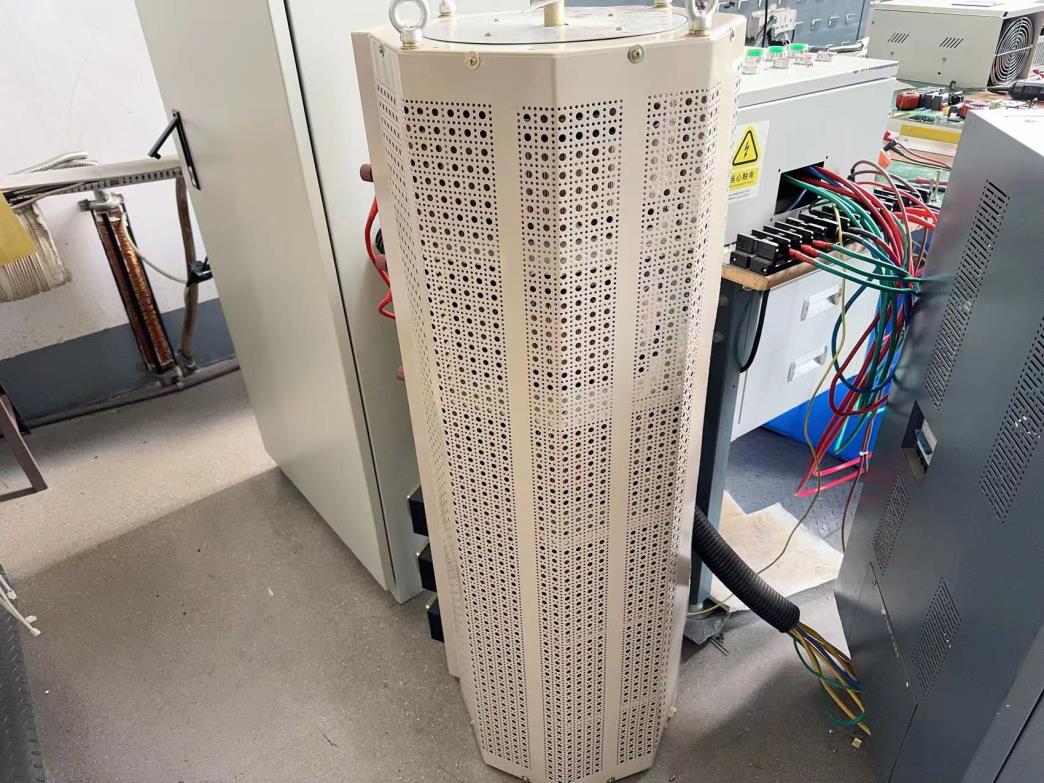
JONSON reports that its induction heating platform reaches a thermal efficiency of 95%–98% and delivers comprehensive energy savings of 30%–70%, with an expected service life three times longer and maintenance requirements 90% lower than traditional induction heater machines.
Two qualifications keep this honest. First, these are manufacturer-reported figures for the induction platform, not the output of an independent third-party audit. Second, the 30%–70% savings band is wide because it depends on the baseline being replaced, the duty cycle, and how closely the unit is matched to the load. When you build a business case, take the conservative end of the range and confirm it with your own meter readings.
Operating Risks and How They Are Controlled
Induction steam generation removes combustion risk but introduces its own operating discipline requirements:
- Thermal environment: the unit needs ample space for heat dissipation and should be kept away from dust, oil, and flammable or explosive materials.
- Cooling path hygiene: dust should be removed from the cooling ducts regularly, because a blocked cooling path is the most common avoidable cause of overheating.
- Parts discipline: only original factory-supplied coil parts should be used for replacement.
- Service safety: always disconnect power and allow the circuit to discharge completely before any repair, and do not alter the internal wiring.
- Rust and water protection: rust-proof and waterproof risks are addressed through design considerations and operating precautions.
Step-by-Step Breakdown: How to Run a Gas vs. Induction Comparison
Step 1 — Define the steam load profile, not the generator size
Record the required steam output, the pressure needed at the point of use, the hours per day the load runs, and how much the load varies between shift start, peak production and washdown. A unit sized for peak demand and then run unregulated at low load will distort the entire comparison.
Step 2 — Normalize energy input to a single unit of delivered steam
Convert gas consumption and electricity consumption into the same unit — cost per unit of steam delivered — using metered data over at least one full production cycle. Comparing gas price per cubic meter against electricity price per kilowatt-hour is the single most common analytical error in this decision.
Step 3 — Apply efficiency figures conservatively
Use JONSON's reported 95%–98% thermal efficiency as the upper expectation for the induction side, and cross-check it against the independent figure of up to 92% for induction heating systems. For energy savings, use the low end of the 30%–70% range in the base case and model the high end as an upside scenario.
Step 4 — Put the two maintenance calendars side by side
For a gas-fired unit, list burner service, flue inspection, pressure-component inspection, and seal or gasket renewal. For an induction unit, list cooling duct cleaning, coil inspection, and replacement with original factory-supplied parts. Then convert both lists into labour hours and downtime hours per year. That number usually changes the outcome more than the fuel price does.
Step 5 — Audit the site, including the parts nobody photographs
On the electrical side: confirm a 380 V supply, available capacity, distance from the distribution board, cabinet ventilation, and the clearance needed for heat dissipation. On the gas side: confirm fuel supply, flue routing, ventilation, and any local permitting or emissions requirements that apply to combustion equipment.
Step 6 — Validate on a representative load before scaling
Because induction performance is sensitive to part-load behaviour and coil matching, a pilot run on your own duty cycle is more informative than any laboratory rating. Verify that the induction heating coil geometry suits the heating body, and confirm that the control logic matches how your operators actually run the plant.
Use Cases: Where Induction Steam and Hot Water Generation Fits
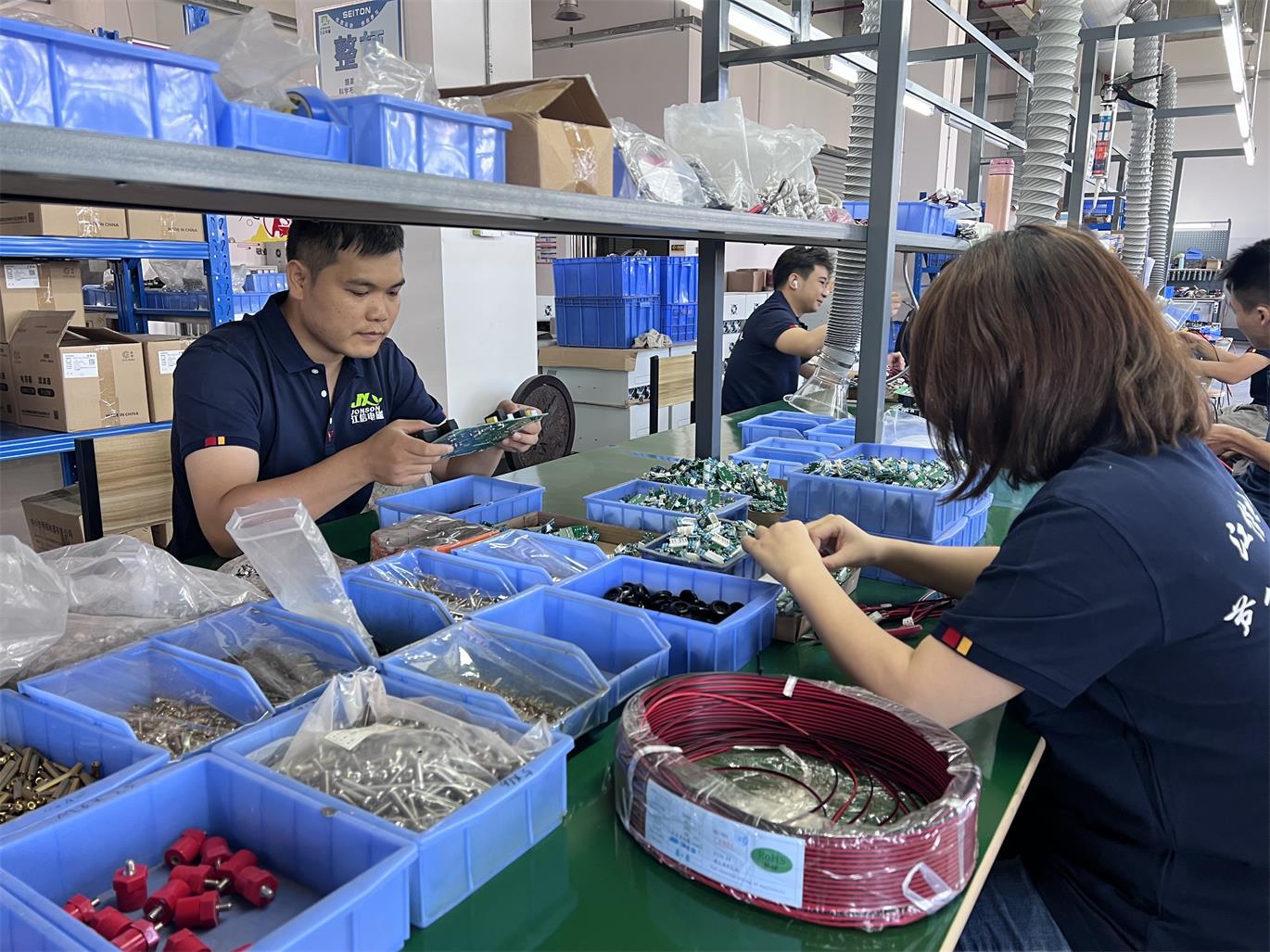
The application scope JONSON documents for its induction heating products spans process industries with very different load patterns:
- Plastics and rubber. Injection molding and extrusion need stable, repeatable heat. Induction heating controllers are commonly integrated with injection molding machines, and JONSON positions its steam generators specifically for the injection molding and chemical industries.
- Food processing. Steam for cooking, sterilization and cleaning benefits from having no combustion products at the point of use.
- Chemical reactions. Precise temperature control matters more than raw output, which favours a 20%–100% regulation range.
- Crude oil pipeline heating. Viscosity control and flow assurance on pipelines with variable throughput.
- Textile printing and dyeing. Dye bath heating and drying, where the load follows batch scheduling.
- Aquaculture heating. Water temperature control in tanks, often a continuous low-load duty.
- Metal heat treatment. Hardening, forging and brazing sit squarely in the 10 kW–100 kW band that dominates the induction heating market.
- Building heating. Hydronic and process hot water for facilities and industrial buildings.
- Medicinal herb drying. Low-temperature drying that depends on fine heat control.
The pattern is consistent: induction fits best where the load varies, where heat must be controlled precisely, or where combustion at the point of use creates an operational or permitting problem. Gas retains an advantage where the load is steady and high, and where gas is inexpensive and already available on site.
Comparison Table: Gas-Fired vs. Induction Steam Generator
| Comparison dimension | Gas-fired steam generator | Induction steam generator (JONSON JS-1600) |
|---|---|---|
| Heat generation principle | Fuel combustion in a burner; heat passes through a boiler body into water; flue gas carries heat away | An alternating magnetic field induces eddy currents in a metal heating body, which heats the water circuit directly |
| Energy efficiency | Part of the input energy is lost through flue gas and radiation; real efficiency depends on burner tuning and stack conditions | JONSON reports 95%–98% thermal efficiency; independent analysis puts induction heating systems at up to 92% efficiency |
| Power and output regulation | Modulating burner; turndown limited by the burner model | 30 kW–50 kW at 380 V, with 20%–100% power regulation and 5–40 kHz operating frequency |
| On-site emissions path | Combustion products require a flue, stack and ventilation route | No combustion, so no flue gas stream at the point of use |
| Maintenance profile | Burner, flue and pressure-component service plus combustion safety checks | No combustion path; JONSON reports 90% lower maintenance requirements than traditional induction heater machines |
| Service life | Depends on water treatment and combustion-side condition | JONSON reports a service life three times longer than traditional induction heater machines and guarantees a ten-year whole-machine service life |
| Safety focus | Flame failure, fuel leakage and pressure risk management | Electrical safety, cabinet thermal management and coil integrity; rust-proof and waterproof risks handled through design and operating precautions |
| Compliance framework | Local combustion, emissions and pressure-equipment regulation | IEC 60519-1 and IEC 60519-3 for induction heating equipment; JS-1600 carries CE and ISO certification |
| Energy savings evidence | Savings come from burner tuning and heat recovery rather than a change of energy carrier | JONSON reports 30%–70% comprehensive energy savings for its induction heating platform |
| Best-fit applications | Steady high steam demand where gas is inexpensive and available | Plastics and rubber, food processing, chemical reactions, crude oil pipeline heating, textile printing and dyeing, aquaculture heating, metal heat treatment, building heating and medicinal herb drying |
Frequently Asked Questions
What certifications and safety standards should an industrial induction steam generator meet?
Industrial induction heating equipment is covered by IEC 60519-1, which sets general safety requirements for electroheat installations, and IEC 60519-3, which adds particular requirements for induction heating and melting equipment. The JONSON JS-1600 Induction Steam Generator additionally carries CE and ISO certification. Buyers should also check the scope of any certificate — what was tested and under which configuration — rather than relying on the logo alone.
What power range and control capability does the JONSON JS-1600 offer?
The JS-1600 Induction Steam Generator is offered with 30 kW to 50 kW power options and operates at 380 V. Its power regulation range is 20% to 100%, and its operating frequency is 5 kHz to 40 kHz. The regulation range matters for plants with variable steam demand, because the unit can follow part-load conditions rather than cycling between full output and off. JONSON's wider induction heating range also includes all-digital induction heating controllers.
How do running costs compare between gas-fired and induction steam generation?
The outcome depends on your local electricity-to-gas price ratio, but the efficiency gap is the fixed part of the equation. JONSON reports 95%–98% thermal efficiency and 30%–70% comprehensive energy savings for its induction heating platform. Independent market analysis states that induction heating systems achieve efficiencies of up to 92%, with around 30% shorter cycle times than traditional gas or resistance-based heating. Because the savings band is wide, use the conservative end of the range with your own tariffs and confirm it with metered data.
Can we validate performance before committing to a full installation?
Yes, and validation should happen before scale-up rather than after. Ask for the unit to be matched to a representative load, and confirm that the induction heating coil geometry is compatible with your heating body — JONSON customizes electromagnetic induction heating coils for different applications. Because induction performance is sensitive to part-load behaviour, a pilot run on your own duty cycle is more informative than a laboratory rating. Buyers can evaluate a unit on a real production line before rolling it out across a plant.
What support and maintenance discipline keeps an induction steam generator running?
Three practices matter most. First, protect the thermal environment: leave ample heat dissipation space, keep the equipment away from dust, oil and flammable or explosive materials, and regularly clean dust from the cooling ducts. Second, use only original factory-supplied coil parts when replacement is needed. Third, service safely: disconnect power and allow the circuit to discharge completely before any repair, and never alter the internal wiring. JONSON backs the whole machine with a ten-year service-life guarantee, one year of free maintenance and lifelong maintenance support.
Conclusion: How to Decide Between Gas and Induction
The decision usually reduces to three questions. If your plant runs a steady, high steam load and gas is inexpensive and already available, a gas-fired steam generator can remain the lower-cost option on capital terms. If your steam demand swings through the day, if your maintenance team is already stretched, or if on-site combustion is becoming a permitting or emissions problem, the case for induction strengthens quickly — a 20%–100% regulation range, reported thermal efficiency of 95%–98%, and 90% lower maintenance requirements all reduce operating friction.
What should not happen is a decision made on purchase price alone. Build the comparison from metered load data, conservative efficiency assumptions, and a maintenance calendar that includes downtime hours. In most evaluations the honest answer sits somewhere between the two options — and the only way to find it is to run the numbers on your own site.
Request a JS-1600 Specification Sheet, Sample or Quotation
JONSON (Guangdong Jiangxin Electronic Technology Co., Ltd.) supplies induction steam generators, industrial induction heaters and custom electromagnetic induction heating coils to buyers in Europe, the United States, India, Indonesia and other markets.
Contact: Mr. Zhou · Tel / WhatsApp: +86 18664277928 · Email: jx@fsjxrn.com.cn
Have Questions or Need More Details?
Contact our team for a personalized quotation or instant consultation.
Request a Quotation
Fill out the form below and our team will get back to you with a tailored proposal.
WhatsApp Direct Chat
Prefer to chat in real-time? Message us on WhatsApp for instant assistance & quick answers.
- Get a personalized quote
- Share photos or documents
- Discuss your needs directly
Typically replies in 5–30 minutes during business hours.