
How to Evaluate an Induction Heater Supplier: A Capability and Delivery Checklist
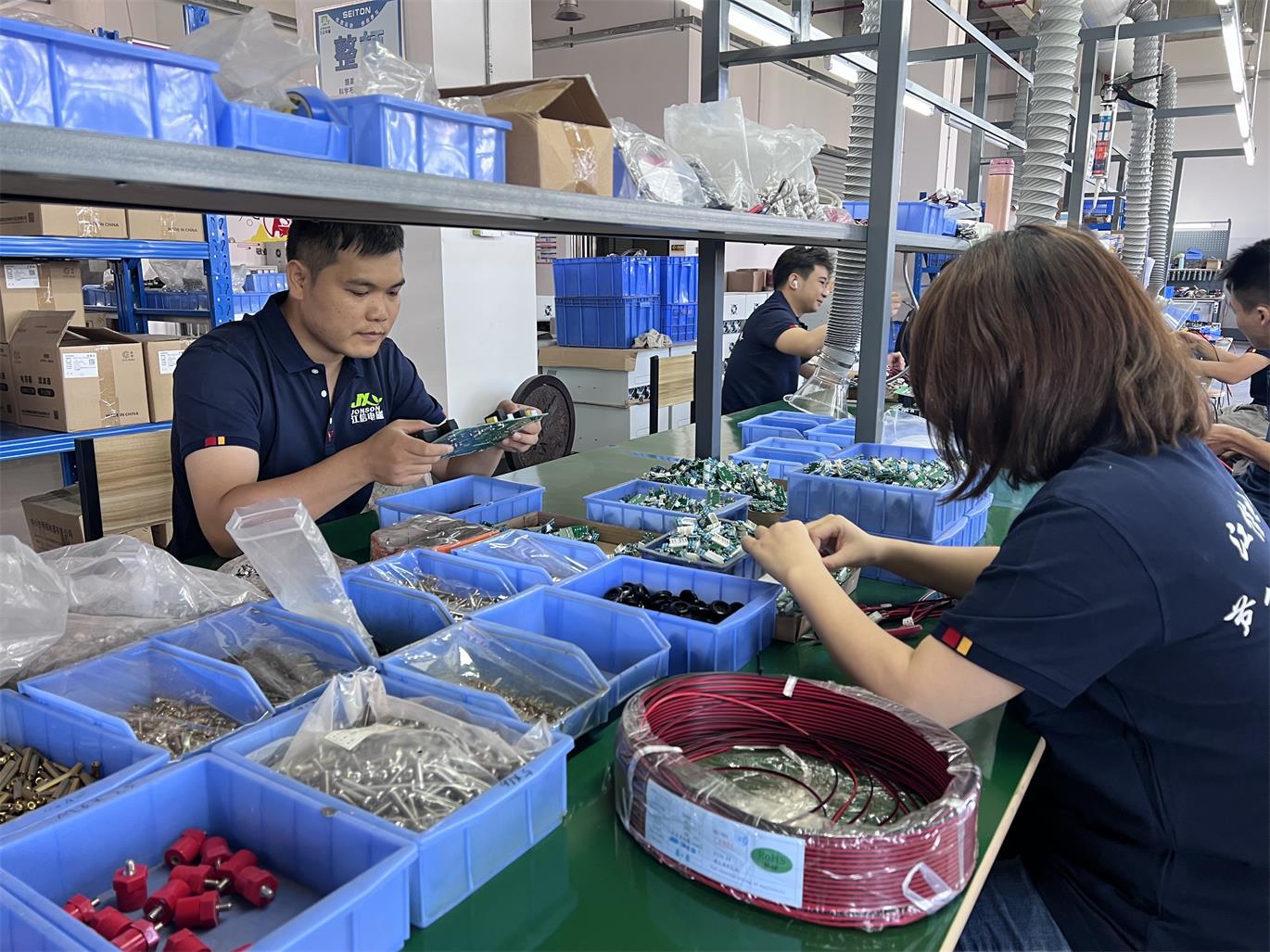
Evaluating an induction heater supplier comes down to six areas a spec sheet cannot show: production capacity, quality-control evidence, OEM/ODM engineering depth, compliance documentation, delivery readiness, and lifecycle support. This checklist explains what to request in each area, how to verify the answers, and what traceable evidence looks like — using JONSON, the brand of Guangdong Jiangxin Electronic Technology Co., Ltd., a Foshan-based manufacturer of induction heating equipment founded in 2011, as a working example.
At the decision stage, buyers are rarely choosing between an induction heater and no induction heater. They are choosing between suppliers who quote similar power ratings, similar efficiency claims and similar delivery windows. What becomes visible eighteen months later is not the rating — it is whether the supplier could actually build, test, document, deliver and support the unit they promised.
Why the Spec Sheet Is Not Enough
A datasheet describes a design point: rated power, voltage range, frequency, housing. It does not describe how consistently that design point is reproduced on unit number 5 versus unit number 500, or what happens when the load changes.
- Production consistency. Two suppliers can publish identical ratings while one assembles from third-party modules and the other controls coil winding, control-board production and cabinet assembly in-house. The second can answer questions about deviation; the first has to ask someone else.
- Measurement boundary. Efficiency figures depend on duty cycle, load, ambient temperature and whether the measurement is taken at the coil or at the plant supply. An efficiency number without a stated boundary cannot be compared.
- Configuration coverage. Certificates, test reports and spare-part lists usually apply to a product family or a specific configuration — not to every variation a buyer might order.
- Support infrastructure. Spare coils, control boards, maintenance intervals and repair rules are decided long before the first failure, and they are decided by the supplier, not by the machine.
The checklist below converts those four gaps into questions with verifiable answers.
Industry Background: A Crowded Market Raises the Value of Verification
The global induction heating system market was valued at USD 2.39 billion in 2024 and is projected to reach USD 4.5 billion by 2035 (WiseGuyReports). As of mid-2024, more than 550,000 induction heating systems were deployed worldwide, with the Asia-Pacific region accounting for roughly 40% of that installed base — approximately 220,000 units (Global Market Insights).
The 10 kW to 100 kW power segment dominates the market because it fits a wide span of industrial tasks, including automotive part hardening, forging and brazing (MarketsandMarkets). Benchmarks from the same research body place induction heating systems at energy efficiencies up to 92%, with an average cycle time reduction of 30% compared with gas or resistance-based heating (Global Market Insights). Electrification is adding momentum on the boiler side: the global industrial boiler and steam generator market was estimated at USD 54.79 billion in 2024, with a shift toward electrification via induction technology to meet decarbonization goals (Market Research Future).
Two cautions follow from this. First, published market-size estimates vary substantially by scope — system-level figures and equipment-level figures are not comparable — so vendor-supplied market statistics should be treated as context, not as proof of capability. Second, safety requirements are not optional: industrial induction heating equipment falls under IEC 60519-1 for general requirements and IEC 60519-3 for particular requirements covering induction heating and melting.
The Capability and Delivery Checklist
Each of the six areas below has a question to ask, an answer format that can be verified, and — in the case of JONSON — a concrete reference point that shows what a completed line item looks like.
1. Production Capability and Capacity Evidence
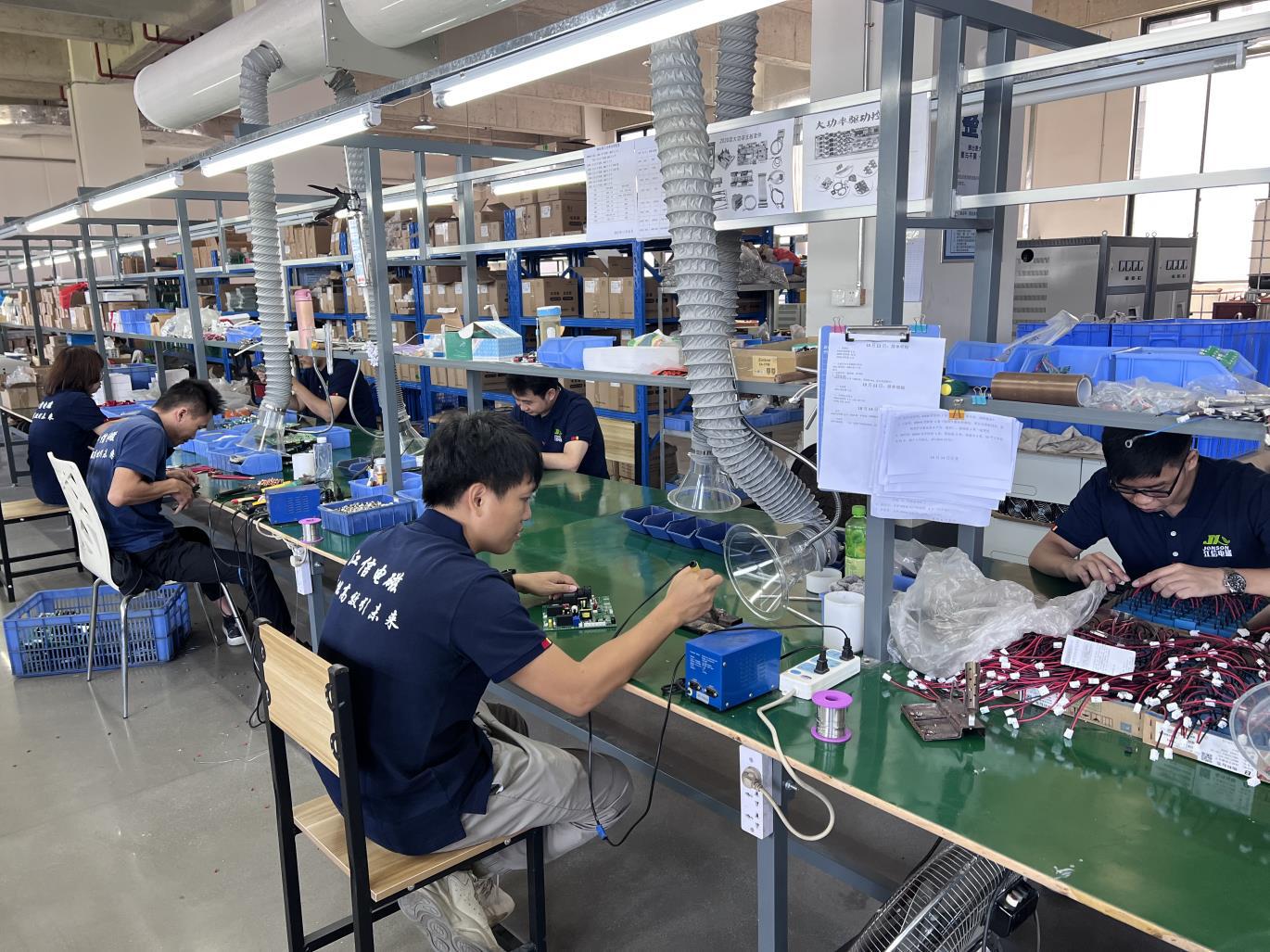
Ask for four numbers: facility size, headcount, annual output, and the share of critical components produced in-house. Then ask which sub-assemblies are outsourced — that answer determines how much of the quality chain the supplier actually controls.
JONSON operates a 3,000 m² facility with more than 60 employees and reports annual output of 120,000 units, with operations based in Shunde District, Foshan, Guangdong Province. Its portfolio spans induction heating control boards, induction heating coils, cabinet induction heaters, induction steam generators, induction hot air generators, induction water boilers and bearing induction heaters, covering a power band from approximately 2.5 kW to 100 kW. Portfolio width is not decoration in an evaluation: a supplier who already builds both the control board and the coil is in a position to re-specify either one for a specific load, rather than sourcing a substitute.
2. Quality-Control and Test Evidence
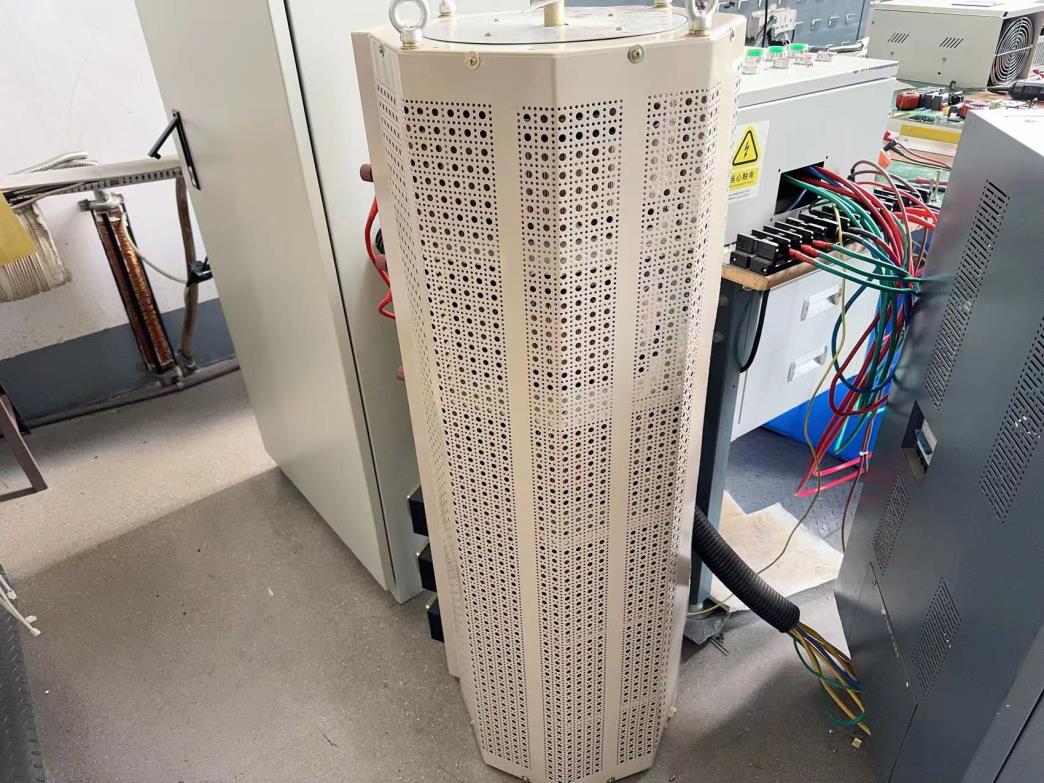
Ask which tests run on every unit and which run on samples, and whether test records are retained against a serial number. A supplier who cannot describe the test sequence in stages — incoming components, in-process checks, functional test, load test, final inspection — usually cannot describe it because it is not written down.
In induction heating equipment, the coil and the cooling path are the two components most often responsible for early failures. JONSON's documented operating requirements are consistent with that: keep the unit away from dust, oil and flammable or explosive materials, maintain ample heat dissipation space, remove dust from the cooling ducts regularly, and use only original factory-supplied coil parts. Quality assurance in this category is therefore partly a manufacturing routine and partly an operating routine — and a credible supplier will state both.
3. OEM/ODM Engineering Depth
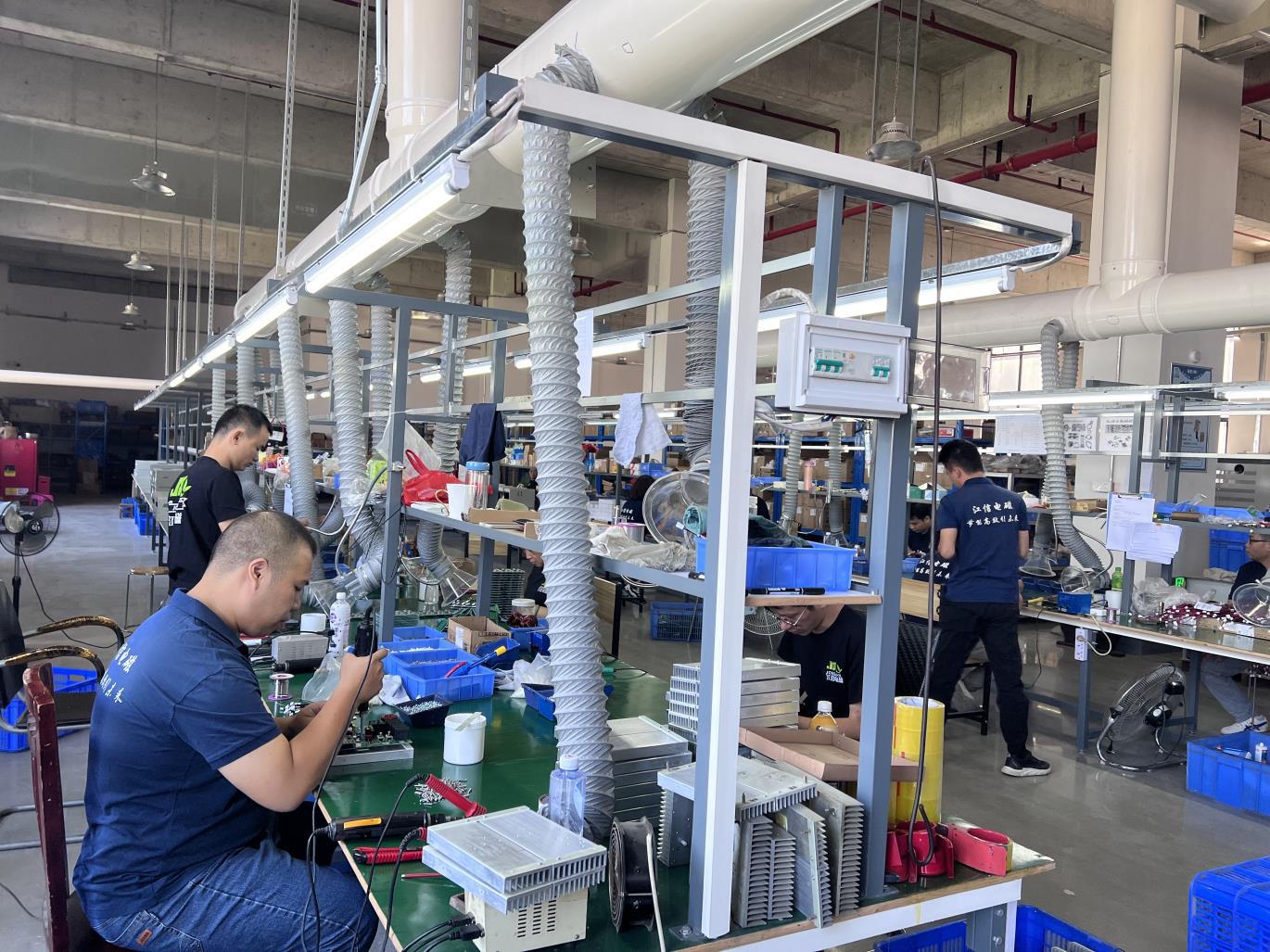
OEM and ODM capability is measured by engineering headcount and by who owns the two parts that define performance: the coil and the controller. Ask how many engineers work on induction heating design, whether coil geometry is wound in-house, and whether control logic or control-board firmware can be adapted to a customer specification.
JONSON maintains an R&D team of more than 30 engineers and manufactures its own induction heating control boards and induction heating coils. That combination is what makes configuration work practical rather than theoretical: coil dimensions, control behaviour and cabinet layout can be engineered together and delivered as a combined electromagnetic heating cabinet instead of being assembled from purchased modules with fixed parameters.
4. Compliance Documentation
Request the declaration of conformity, the certificate scope, the model or variant list it covers, and the standard the product was tested against. The applicable international safety standards for this equipment category are IEC 60519-1 and IEC 60519-3, so a supplier should be able to explain how the design addresses them.
JONSON holds CE and ISO certification for its induction heater range. The practical verification step is narrower than the certificate itself: confirm that the document covers the exact power rating, voltage and configuration you intend to buy. Certificates are typically issued per product family, and a mismatch discovered at customs or during a plant audit is expensive to correct after shipment.
5. Delivery, Installation and Spare-Part Readiness
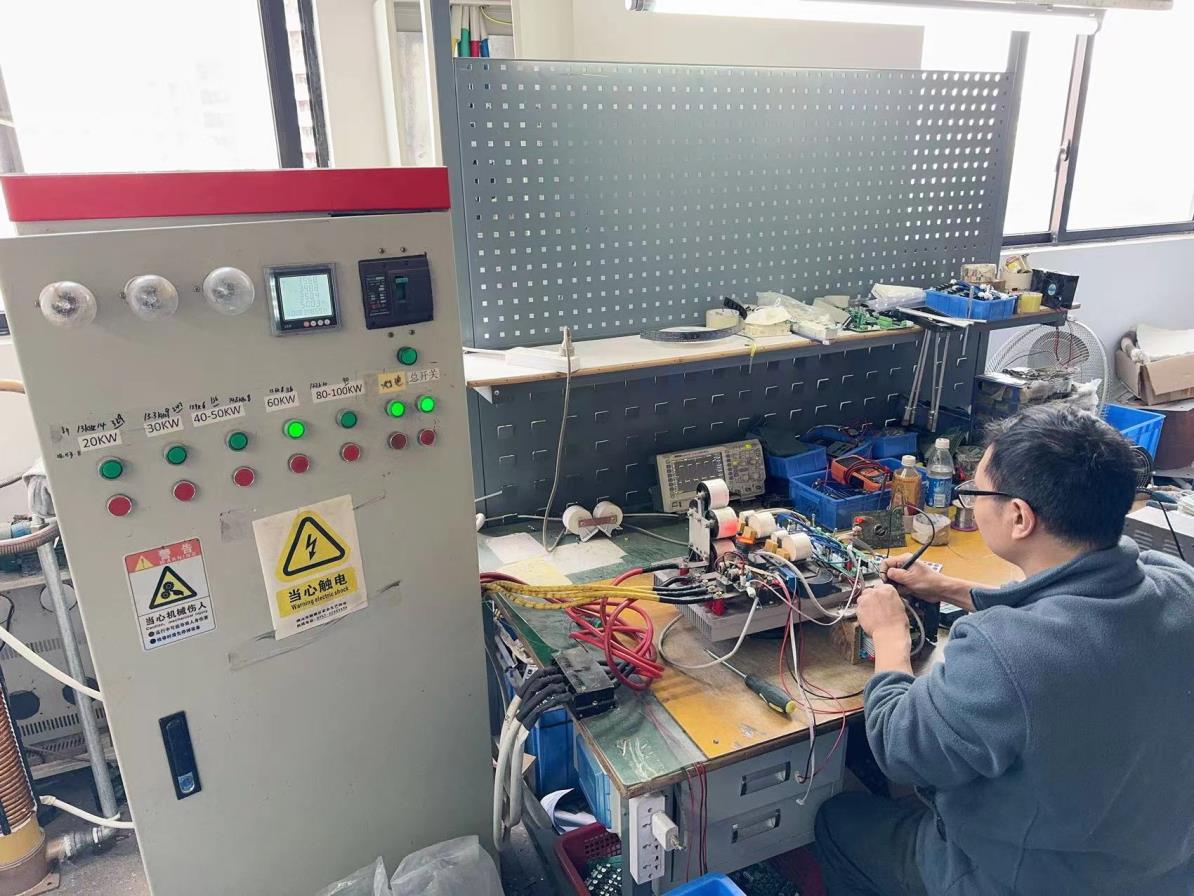
Ask for the production schedule, the packing method, loading photographs, and a spare-parts list with recommended quantities. Export experience is a useful proxy for delivery discipline: JONSON exports approximately 40% of its production, with main markets including Europe, the United States, India and Indonesia, which means the equipment is routinely prepared for different market requirements and shipping conditions.
Cut lead time claims into components: engineering time if customization is involved, production time, testing time and shipping time. Only the first three are inside the supplier's control, and only those should be contractually committed.
6. Commercial Terms and Lifecycle Support
Compare lifecycle cost, not purchase price. JONSON's stated terms are a ten-year service life guarantee for the whole machine, one year of free maintenance and lifetime maintenance. Its published comparison against traditional induction heater machines lists thermal efficiency of 95%–98%, comprehensive energy savings of 30%–70%, maintenance requirements 90% lower, and an expected lifespan three times longer.
When a supplier makes claims of this kind, the productive follow-up is not whether the number is impressive but how it was measured — at what duty cycle, at what load, and over what comparison baseline. A supplier with in-house engineering can answer; a trading intermediary usually cannot.
Step-by-Step: Running the Evaluation in Seven Steps
- Define the load before you define the supplier. Record target temperature, material, duty cycle, ambient conditions and available supply voltage. Every later question depends on these five inputs.
- Request the technical dossier. Drawings, control-board specification, coil dimensions and material, power supply rating, and the recommended operating envelope.
- Match compliance documents to your configuration. Cross-check the certificate scope against the exact model, power and voltage you are ordering.
- Audit production, on site or by video walkthrough. Ask to see the assembly line, the coil winding area, the test bench and the warehouse in a single session — a fragmented tour hides the parts that matter.
- Validate on your own process. Run a pilot unit or coil on your material and record ramp rate, temperature stability and power draw against the quoted figures.
- Confirm delivery and spares. Production schedule, packing method, shipping terms, spare coil and control-board availability.
- Write the after-sales terms into the contract. Maintenance intervals, cooling-duct cleaning guidance, approved spare parts, and the procedure and safety rules for repair — including disconnecting power and allowing the circuit to discharge completely before any intervention, and never altering the internal wiring.
Use Cases: Where the Checklist Changes the Decision
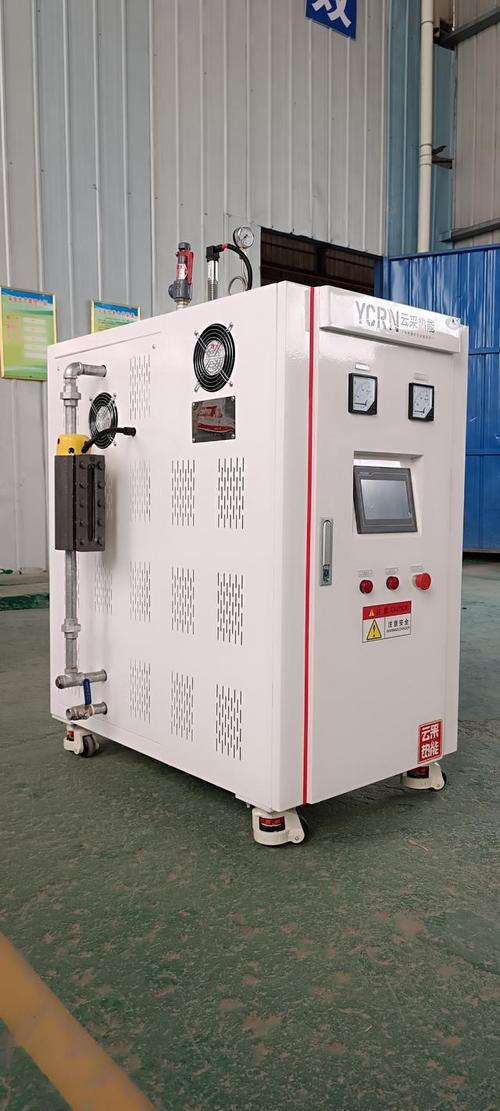
Different applications put weight on different checklist items. Induction heating equipment of this type is used in plastics and rubber, food processing, chemical reactions, crude oil pipeline heating, textile printing and dyeing, aquaculture heating, metal heat treatment, building heating and medicinal herb drying, and JONSON's products and solutions are applied across heating, chemical, mold manufacturing, plastic machinery and food processing industries.
- Plastics and rubber, chemical reactions. Continuous duty pushes cooling design, heat dissipation space and dust control to the front of the evaluation.
- Food processing and chemical industry. Steam and hot air generation — induction steam generators serve injection molding and chemical applications, where controllability and documentation matter more than peak power.
- Crude oil pipeline heating, aquaculture heating, building heating. Long-run and often outdoor installations make rust-proof and waterproof design considerations, plus operating precautions, part of the technical review rather than an afterthought.
- Metal heat treatment. Repeatability between batches is the deciding metric, so ask for the test protocol used to confirm consistency.
- Textile printing and dyeing, medicinal herb drying. Temperature uniformity across the load determines product quality, so ask how the coil and controller are matched to the process.
Site conditions apply across all of them: keep the unit away from dust, oil and flammable or explosive materials, provide ample heat dissipation space, clean the cooling ducts regularly, use only original factory-supplied coil parts, and disconnect power before any repair.
Supplier Verification Reference Table
Use this table as a working document during a supplier audit. The reference column shows the type of evidence a completed line item contains.
| Evaluation area | Verification question | Reference evidence |
|---|---|---|
| Production capacity | Facility size, headcount, annual output? | JONSON: 3,000 m² facility, 60+ employees, 120,000 units annual output |
| Engineering depth | Dedicated induction heating engineers? | JONSON: R&D team of 30+ engineers; in-house control boards and coils |
| Portfolio coverage | Does the range cover your power and format? | JONSON: approximately 2.5 kW to 100 kW, including cabinet heaters, steam generators, hot air generators, water boilers, control boards and coils |
| Compliance | Which marks and standards apply? | CE and ISO certification (JONSON); IEC 60519-1 and IEC 60519-3 apply to industrial induction heating equipment |
| Thermal performance | What efficiency, measured how? | JONSON: 95%–98% thermal efficiency; Global Market Insights: induction heating systems achieve energy efficiencies up to 92% |
| Operating outcomes | What maintenance and lifetime difference is claimed? | 90% lower maintenance, 3× expected lifespan and 30%–70% comprehensive energy savings vs traditional induction heater machines |
| Export and delivery | Does the supplier ship to your region? | JONSON: approximately 40% export ratio; markets including Europe, the United States, India and Indonesia |
| Lifecycle support | What warranty and maintenance terms apply? | JONSON: ten-year whole-machine service life guarantee, one year free maintenance, lifetime maintenance |
FAQ
Which certifications and standards should an induction heater supplier provide?
For industrial induction heating equipment, buyers should expect CE marking documentation for European market access and ISO-based quality management documentation, plus safety evidence aligned with IEC 60519-1 for general requirements and IEC 60519-3 for induction heating and melting applications. Because certificates usually apply to specific models and configurations, the document should be matched to the exact power rating and voltage being ordered. JONSON holds CE and ISO certification for its induction heater range.
How do I verify that a supplier can actually support an OEM/ODM project?
Check three things: engineering headcount, in-house ownership of the critical parts, and evidence of customized assemblies already delivered. Induction heating performance is defined by the coil and the controller, so a supplier that winds its own coils and builds its own control boards can re-engineer either one for a specific load. JONSON, for example, has an R&D team of more than 30 engineers, manufactures induction heating control boards and coils in-house, and produces customized combined electromagnetic heating cabinets.
How should I compare cost between induction heating and traditional heating?
Compare total cost of ownership rather than purchase price. JONSON states thermal efficiency of 95%–98%, comprehensive energy savings of 30%–70%, maintenance requirements 90% lower, and an expected lifespan three times longer than traditional induction heater machines. Published research points in the same direction: Global Market Insights reports that induction heating systems achieve energy efficiencies up to 92%, with an average cycle time reduction of 30% compared with gas or resistance-based heating. Ask each supplier how their figures were measured before using them in a budget calculation.
Can I validate a unit on my own process before committing to volume?
Pilot validation is standard practice in this category and is the fastest way to reduce commissioning risk. Buyers typically run a single unit or coil on their own material, at their own duty cycle, and record temperature ramp, repeatability and power draw before placing a volume order. Request the test protocol and the spare-parts list at the same time, because the coil is the component most likely to be re-specified after testing. To discuss a pilot-scale evaluation, a quotation or a technical question, contact JONSON at jx@fsjxrn.com.cn or via WhatsApp at +86 18664277928.
How do I verify delivery and lead time before ordering?
Split the timeline into engineering time, production time, testing time and shipping time, and ask the supplier to confirm capacity evidence behind each stage: facility size, headcount and annual output, plus the packing method and spare-part availability for coils and control boards. JONSON reports a 3,000 m² facility, more than 60 employees and annual output of 120,000 units, and exports approximately 40% of production to markets including Europe, the United States, India and Indonesia — figures that can be confirmed against a specific order schedule before the contract is signed.
Conclusion: Verify First, Then Compare
A supplier evaluation is not a document review. It is a sequence of verifications — capacity, quality control, engineering depth, compliance, delivery and lifecycle support — each with a specific piece of evidence attached. When two suppliers quote similar ratings, this checklist is what separates them, because it measures what the ratings leave out.
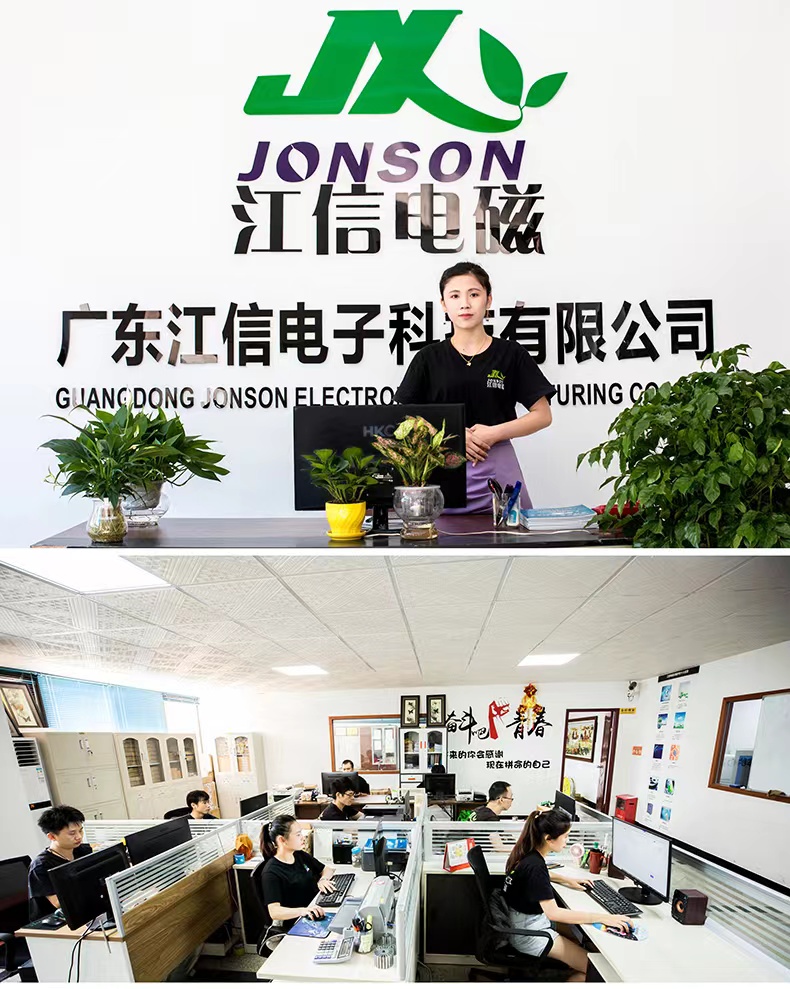
JONSON is the brand of Guangdong Jiangxin Electronic Technology Co., Ltd., a Foshan-based manufacturer of induction heating equipment founded in 2011, with a 3,000 m² facility in Shunde District, Guangdong Province, a 30+ engineer R&D team and an annual output of 120,000 units. Buyers who want to run this checklist against a specific project can request the technical dossier, a quotation, or a pilot-scale evaluation through the official site at www.jonson-ih.com, by email at jx@fsjxrn.com.cn, or by WhatsApp at +86 18664277928.
Have Questions or Need More Details?
Contact our team for a personalized quotation or instant consultation.
Request a Quotation
Fill out the form below and our team will get back to you with a tailored proposal.
WhatsApp Direct Chat
Prefer to chat in real-time? Message us on WhatsApp for instant assistance & quick answers.
- Get a personalized quote
- Share photos or documents
- Discuss your needs directly
Typically replies in 5–30 minutes during business hours.