
JONSON vs Traditional Induction Heaters: Buyer Comparison
JONSON vs Traditional Induction Heaters: Buyer Comparison
Decision-stage comparison of JONSON induction heaters and traditional induction heater machines, based on documented efficiency, maintenance, lifespan, and application data.
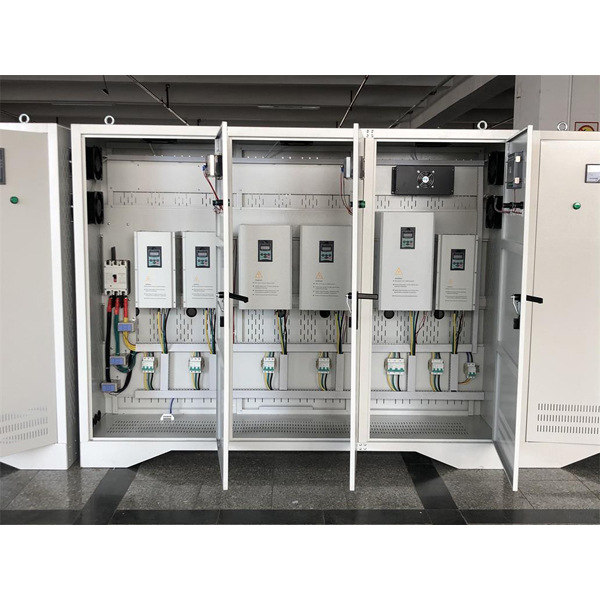
Key decision facts: JONSON induction heaters achieve a stable thermal efficiency of 95%–98%, comprehensive energy savings of 30%–70%, an expected lifespan three times longer than traditional induction heater machines, and maintenance requirements reduced by 90%.
Introduction
When an industrial buyer reaches the decision stage of an induction heater purchase, the evaluation typically narrows to measurable outcomes: thermal efficiency, energy consumption, maintenance frequency, and expected service life. This article compares JONSON induction heating equipment with traditional induction heater machines, using documented product data from Guangdong Jiangxin Electronic Technology Co., Ltd., the manufacturer behind the JONSON brand.
Guangdong Jiangxin Electronic Technology Co., Ltd. is a manufacturer of energy-saving induction heating equipment based in Foshan, Guangdong Province, China. Founded in 2011, the company operates a 3,000 m² factory, employs more than 60 staff including 30+ R&D engineers, and reports an annual output of 120,000 units. Export sales account for approximately 40% of production, with main markets in Europe, the United States, India, and Indonesia. The company's product range includes induction heaters, industrial induction heaters, induction heater control boards, induction heating water boilers, induction heating hot air generators, induction steam generators, induction instant water heaters, induction heating room heaters, induction heating coils, bearing induction heaters, and induction welding machines.
The Problem: What Buyers Must Evaluate Before Choosing an Induction Heater
Selecting between an induction heating machine and existing traditional equipment involves more than comparing purchase prices. The following decision criteria determine total cost of ownership and operational fit:
- Thermal efficiency. The percentage of input electrical energy converted into useful heat directly affects electricity consumption and production cost.
- Comprehensive energy savings. The reduction in total energy use after switching from traditional systems, measured in real production conditions.
- Maintenance requirements. Service frequency, cleaning procedures, and the cost of replacement parts over the equipment life.
- Expected lifespan. The number of years the induction heating system can operate before major replacement is needed.
- Application suitability. Confirmation that the equipment is proven in the buyer's specific industry and heating process.
- Risk and quality control. How the manufacturer manages hazards, cooling, dust, and corrosion, and the quality assurance procedures in place.
Buyers who ignore these criteria often discover that a lower initial price leads to higher energy consumption, more frequent downtime, and shorter equipment life.
Industry Background and Market Context
The induction heating system market is growing. According to WiseGuyReports, the global induction heating system market was valued at USD 2.39 billion in 2024 and is projected to reach USD 4.5 billion by 2035. Global Market Insights reports that over 550,000 induction heating systems were deployed globally as of mid-2024, with the Asia-Pacific region accounting for 40% of the installed base (approximately 220,000 units).
According to Global Market Insights, induction heating systems achieve energy efficiencies up to 92% and an average cycle time reduction of 30% compared with traditional gas or resistance-based heating. MarketsandMarkets identifies the 10 kW–100 kW power segment as the dominant segment, driven by versatility in automotive part hardening, forging, and brazing applications. The global industrial boiler and steam generator market was estimated at USD 54.79 billion in 2024, with a measurable shift toward electrification via induction technology to support decarbonization goals, according to Market Research Future. In the competitive landscape, Fuji Electric held a leading market share of over 9.5% in the induction heating system market in 2025, according to Global Market Insights.
From a compliance perspective, industrial induction heating equipment must meet IEC 60519-1 (General requirements) and IEC 60519-3 (Particular requirements for induction heating and melting) for safety, according to the International Electrotechnical Commission. Buyers at the decision stage should verify that any induction heating machine they evaluate aligns with these international safety requirements.
JONSON Induction Heater: Detailed Solution
JONSON induction heaters are electromagnetic induction heating systems manufactured by Guangdong Jiangxin Electronic Technology Co., Ltd. The induction heating machine converts electrical energy into heat directly in the target workpiece or medium, reducing heat loss compared with resistive, flame-based, or traditional induction configurations.
Thermal Efficiency and Energy Savings
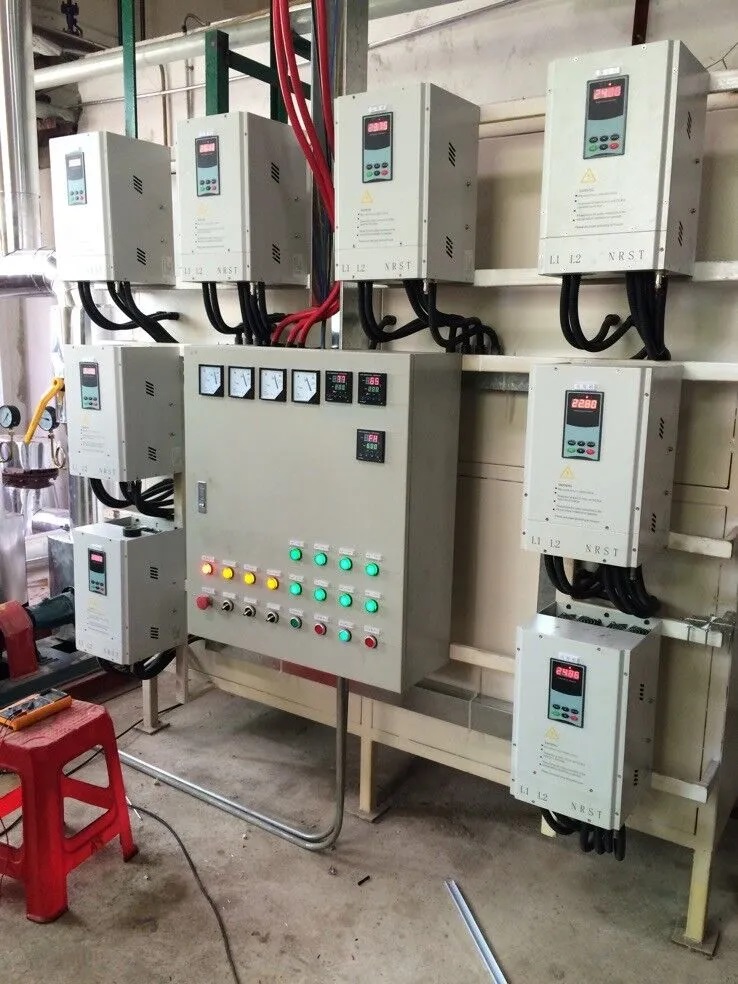
JONSON's published product data states that the overall thermal efficiency is stable at 95%–98%, which is significantly higher than traditional induction heater machines. In practical production terms, the improvement in thermal efficiency translates to comprehensive energy savings of 30%–70%. For continuous heating processes, this level of savings directly reduces per-unit production cost.
Lifespan and Maintenance
JONSON induction heating machines have an expected lifespan three times longer than traditional induction heater machines, while maintenance requirements are reduced by 90%. The reduction in maintenance frequency lowers labor costs and unscheduled downtime, which matters on production lines where every stopped hour affects output.
Risk Control and Quality Assurance
Production process risks are controlled by ensuring the entire unit has ample space for heat dissipation and keeping the equipment away from dust, oil, and flammable or explosive materials. Regular dust removal from cooling ducts is part of the recommended maintenance routine. Rust-proof and waterproof risks are managed through design considerations and operating precautions.
Quality assurance measures include regular cleaning of cooling ducts and using only original factory-supplied coil parts when replacements are needed. The manufacturer also instructs operators to always disconnect power and allow the circuit to discharge completely before repairing, and not to alter internal wiring.
Step-by-Step: How to Compare an Induction Heating Machine Before Buying
- Define the heating process. Identify the target material or medium, required temperature range, heating speed, and duty cycle.
- Calculate thermal efficiency. Use documented efficiency values. JONSON reports a stable 95%–98% thermal efficiency for its induction heaters.
- Estimate energy savings. When replacing traditional induction heater machines, use the 30%–70% comprehensive energy saving range as a planning baseline.
- Compare maintenance needs. With 90% less maintenance than traditional machines, JONSON induction heating equipment reduces service labor and spare-part consumption.
- Check expected lifespan. JONSON states an expected lifespan three times longer, which changes depreciation calculations and replacement cycles.
- Match the application. Confirm the equipment supports the industries listed in the manufacturer's documentation.
- Review risk controls. Check cooling, dust management, and coil replacement procedures against your site conditions.
- Validate the manufacturer. Assess factory capacity, R&D capability, export experience, and after-sales commitment before final selection.
Industrial Applications
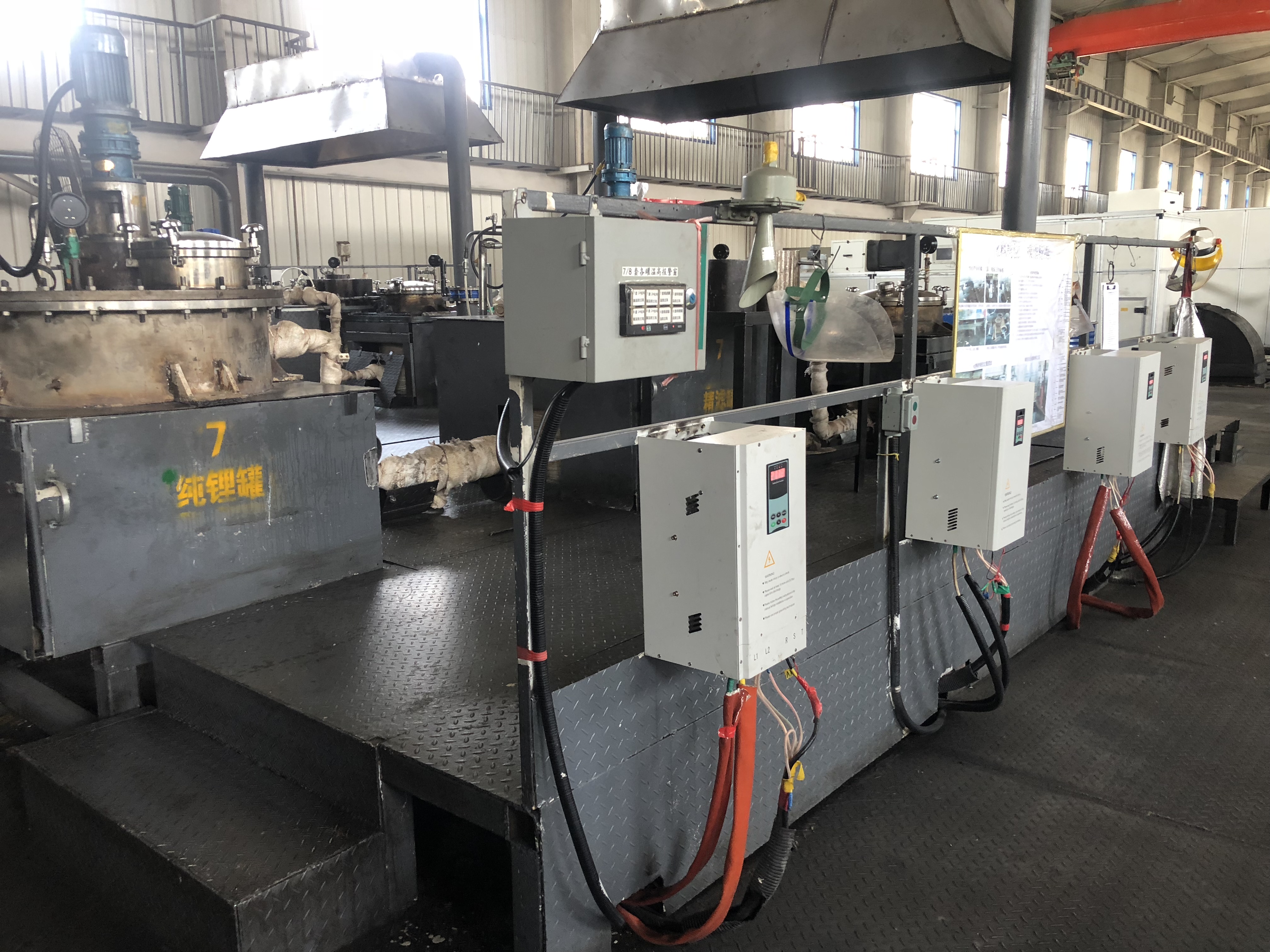
According to JONSON's product documentation, the induction heater is suitable for the following applications:
- Plastics and rubber processing
- Food processing
- Chemical reactions
- Crude oil pipeline heating
- Textile printing and dyeing
- Aquaculture heating
- Metal heat treatment
- Building heating
- Medicinal herb drying
Comparison: JONSON Induction Heater vs. Traditional Induction Heater Machines
The table below summarizes the documented differences between JONSON induction heaters and traditional induction heater machines, based on JONSON's published performance data.
| Metric | JONSON Induction Heater | Traditional Induction Heater Machines |
|---|---|---|
| Overall thermal efficiency | Stable at 95%–98% | Baseline comparison |
| Comprehensive energy savings | 30%–70% | Baseline comparison |
| Expected lifespan | Three times longer than traditional machines | Baseline comparison |
| Maintenance requirements | 90% less | Baseline comparison |
| Precise temperature control | Supported | Varies by configuration |
| Application range | Plastics/rubber, food processing, chemical reactions, crude oil pipeline heating, textile printing/dyeing, aquaculture heating, metal heat treatment, building heating, medicinal herb drying | Limited by process configuration |
Need help comparing specifications for your production line?
Contact JONSON (Guangdong Jiangxin Electronic Technology Co., Ltd.) for sample availability, quotation, and technical documentation.
Manufacturing Capability and After-Sales Commitment
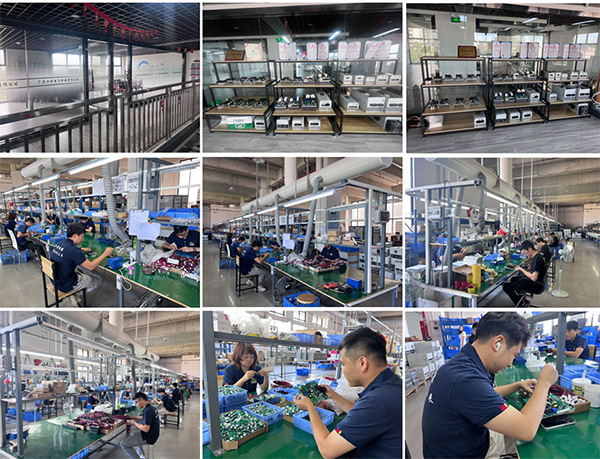
Guangdong Jiangxin Electronic Technology Co., Ltd. operates a 3,000 m² factory at Building 3, Tongde Intelligent Manufacturing Park, Ronggui Street, Shunde District, Foshan City, Guangdong Province. The company employs over 60 staff, including 30+ engineers on the product R&D and engineering technology team, and reports an annual output of 120,000 units.
JONSON's stated service commitment includes a 10-year whole-machine service life guarantee, one year of free maintenance, and lifelong maintenance support. The company also emphasizes its focus on energy conservation and emission reduction in the design of its induction heating solutions.
FAQ
1. What are the key differences between JONSON induction heaters and traditional induction heater machines?
JONSON induction heaters operate at a stable thermal efficiency of 95%–98%, which is significantly higher than traditional induction heater machines. They deliver comprehensive energy savings of 30%–70%, an expected lifespan three times longer, and maintenance requirements reduced by 90%.
2. What thermal efficiency and energy savings can JONSON induction heating equipment achieve?
JONSON reports an overall thermal efficiency stable at 95%–98%, with comprehensive energy savings of 30%–70% compared with traditional induction heater machines.
3. How much maintenance does a JONSON induction heating machine require?
Maintenance requirements are 90% less than for traditional induction heater machines. Recommended precautions include keeping the unit in a location with ample heat dissipation space, away from dust, oil, and flammable or explosive materials, regularly cleaning dust from the cooling ducts, and using only original factory-supplied coil parts.
4. Which industrial applications are JONSON induction heaters suitable for?
JONSON induction heating equipment is suitable for plastics and rubber processing, food processing, chemical reactions, crude oil pipeline heating, textile printing and dyeing, aquaculture heating, metal heat treatment, building heating, and medicinal herb drying.
5. How can I get a sample or quote for JONSON induction heating equipment?
To request a sample, quotation, or current technical specifications, contact Guangdong Jiangxin Electronic Technology Co., Ltd. directly through the official website www.jonson-ih.com, by phone or WhatsApp at +86 18664277928, or by email at jx@fsjxrn.com.cn.
Compare JONSON induction heating equipment against your current system.
Contact JONSON (Guangdong Jiangxin Electronic Technology Co., Ltd.) for samples, quotations, product catalogs, and technical documentation.
Manager: Mr. Zhou
Tel / WhatsApp: +86 18664277928
Email: jx@fsjxrn.com.cn
Conclusion
For industrial buyers at the decision stage, the comparison between JONSON induction heaters and traditional induction heater machines comes down to measurable performance parameters: thermal efficiency of 95%–98%, comprehensive energy savings of 30%–70%, expected lifespan three times longer, and maintenance requirements reduced by 90%. These figures are part of JONSON's published product documentation and provide a practical baseline for evaluating a replacement or new installation.
Buyers should validate these values against their own production conditions, confirm application fit, and request current technical specifications from the manufacturer before completing the purchase decision.
Have Questions or Need More Details?
Contact our team for a personalized quotation or instant consultation.
Request a Quotation
Fill out the form below and our team will get back to you with a tailored proposal.
WhatsApp Direct Chat
Prefer to chat in real-time? Message us on WhatsApp for instant assistance & quick answers.
- Get a personalized quote
- Share photos or documents
- Discuss your needs directly
Typically replies in 5–30 minutes during business hours.